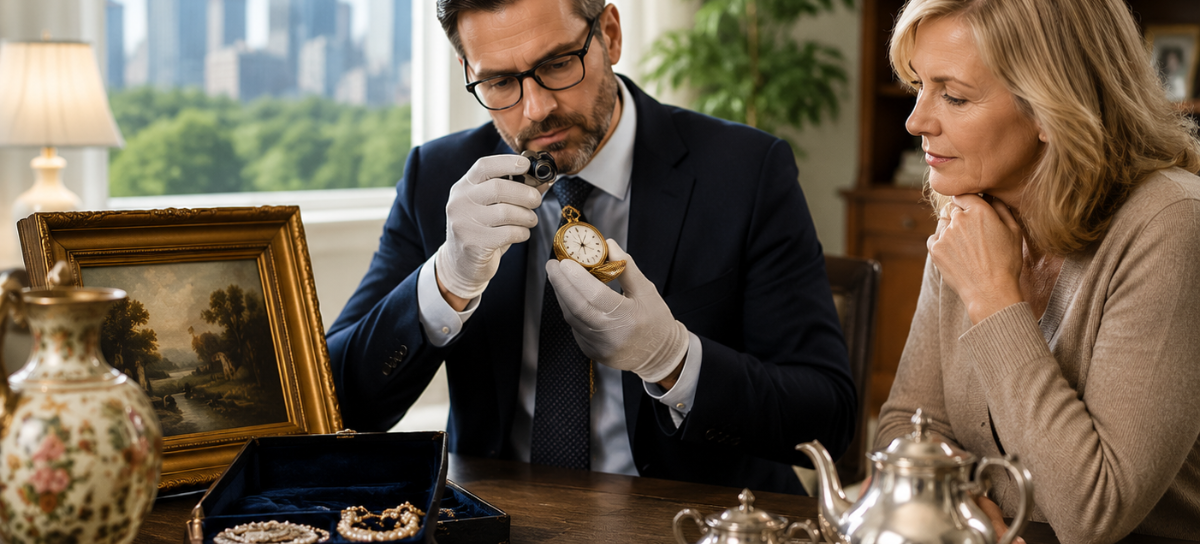
Selling an inherited house can be an emotional and overwhelming process.
Families are often balancing grief, legal responsibilities, property maintenance, and decisions about what to do with the home.
In many cases, the property may need repairs, cleaning, staging, or updates before it is ready to go on the market.
Taking the time to prepare an inherited home properly can help improve its appearance, increase buyer interest, and support a smoother sale process.
Families who are planning to sell inherited property can also review the
real estate service to better understand the next steps.
Preparing an Inherited Home for Sale
Start With Clearing Out the Home
One of the first steps in preparing an inherited house for sale is removing personal belongings and clearing out unnecessary items.
Many inherited homes contain years of furniture, decor, paperwork, clothing, and household items that need to be sorted.
Families should begin by separating items into categories such as:
- Belongings to keep
- Items to sell
- Donation items
- Trash or recycling
- Important documents
Removing clutter early can make it easier to clean, stage, and show the home later in the process.
Remove Personal and Sentimental Items
Inherited homes often contain photographs, family heirlooms, keepsakes, and other sentimental belongings.
These items should be removed before preparing the property for buyers.
Personal items can make it harder for buyers to picture themselves living in the home.
Clearing out these belongings can help create a more neutral appearance while also protecting meaningful family items from being misplaced.
Examples of items to remove include:
- Family photographs
- Personal collections
- Religious items
- Certificates and awards
- Children's artwork
- Heirloom furniture
- Sentimental decor
Complete Basic Repairs Before Listing
Small repairs can make a major difference when preparing an inherited house for sale.
Buyers often notice maintenance issues quickly, and visible problems may make the home feel neglected.
Families do not always need to complete major renovations, but handling minor repairs can improve the overall appearance of the property.
Common repairs include:
- Fixing leaky faucets
- Replacing broken light fixtures
- Repairing damaged drywall
- Touching up paint
- Replacing worn carpet
- Fixing loose cabinet doors
- Repairing broken windows
- Improving curb appeal
These smaller updates can help make the home more appealing without requiring a large investment.
Deep Clean the Entire Property
Cleaning is one of the most important parts of preparing an inherited home for sale.
A clean home often looks more valuable, more inviting, and better maintained.
Areas that should receive extra attention include:
- Kitchens
- Bathrooms
- Floors and carpets
- Windows
- Closets
- Basements
- Garages
- Outdoor spaces
Removing odors, dust, stains, and clutter can make a strong first impression when buyers visit the property.
Consider Home Organization and Staging
Staging can help buyers picture how the home could look once it is occupied.
Even simple changes such as rearranging furniture, removing extra items, and improving room flow can make the home feel larger and more inviting.
Families preparing an inherited property for sale may also benefit from home organization and staging services to improve presentation and help the home stand out in the market.
Staging may include:
- Rearranging furniture
- Removing oversized items
- Adding neutral decor
- Improving lighting
- Highlighting key features of the home
- Organizing closets and storage spaces
Homes that are clean, organized, and staged often photograph better and create a stronger impression during showings.
Address Safety and Maintenance Concerns
Before listing an inherited property, families should make sure the home is safe and functional.
Important maintenance items may include:
- Checking smoke detectors
- Replacing burned-out light bulbs
- Inspecting plumbing fixtures
- Testing appliances
- Confirming HVAC systems are working
- Repairing loose railings
- Removing tripping hazards
Addressing these issues early can help reduce problems during inspections and make buyers feel more confident about the property.
Improve the Exterior Appearance
Curb appeal is one of the first things buyers notice when they arrive at a property. A home that looks clean and well cared for on the outside is more likely to attract attention.
Simple exterior improvements may include:
- Mowing the lawn
- Trimming bushes
- Removing weeds
- Cleaning walkways
- Pressure washing siding
- Painting the front door
- Replacing damaged house numbers
- Adding fresh mulch or plants
These updates can make the home feel more inviting before buyers even step inside.
Understand the Selling Timeline
The timeline for selling an inherited house can vary depending on the condition of the home, the local market, legal matters, and the amount of preparation required.
In many cases, families spend several weeks clearing out the property, making repairs, cleaning, and staging before listing it for sale.
A typical timeline may include:
- Sorting and clearing belongings
- Completing repairs and cleaning
- Staging the home
- Listing the property
- Showing the home to buyers
- Accepting an offer
- Completing inspections and closing
Starting the preparation process early can help reduce delays and make the sale feel more manageable.
Why Preparation Matters When Selling an Inherited Home
Inherited homes often need more preparation than traditional homes because they may have been lived in for many years without recent updates or maintenance.
In some cases, the property may still contain furniture, decorations, paperwork, clothing, and personal belongings that need to be sorted before the home can be listed.
Taking the time to clear out belongings, improve the appearance of the property, and complete minor repairs can help increase buyer interest and make the home feel more move-in ready.
Buyers are often more attracted to homes that look clean, organized, and well cared for.
Preparation can also help families avoid price reductions, long listing times, and repeated buyer concerns about the condition of the property.
Even small improvements such as fresh paint, better lighting, basic landscaping, and simple staging can make a significant difference in how the home is perceived.
A well-prepared inherited home often photographs better, shows better during open houses, and creates a stronger first impression.
These factors can lead to more buyer interest, stronger offers, and a smoother selling process overall.
Conclusion
Preparing an inherited house for sale involves more than simply putting the property on the market.
Families often need to clear out belongings, remove sentimental items, make repairs, clean the home, and improve its presentation before listing.
By taking these steps early, families can make the property more attractive to buyers and create a smoother selling experience.
Families who need additional support can explore real estate services and
home organization and staging services for help throughout the process.
Frequently Asked Questions
How long does it take to prepare an inherited house for sale?
The preparation process can take anywhere from a few weeks to several months depending on the size of the home, the amount of belongings inside, and the condition of the property. Homes that contain years of furniture, paperwork, collectibles, or personal belongings may take longer to clear out and organize. Additional time may also be needed for repairs, cleaning, staging, and legal matters related to the inheritance process.
Should families repair everything before listing an inherited home?
Most families focus on smaller repairs, cleaning, and cosmetic improvements rather than completing major renovations. Fixing obvious issues such as broken fixtures, damaged walls, worn flooring, or outdated paint can make the home look better to buyers. Major renovations are not always necessary, especially if the property will likely attract buyers who plan to update the home themselves.
Can an inherited house be sold without staging?
A home can still be sold without staging, but organized and staged homes often make a stronger impression during showings and in listing photos. Simple staging updates such as rearranging furniture, improving lighting, removing clutter, and adding neutral decor can help buyers picture themselves living in the home. Even light staging can make rooms feel cleaner, larger, and more inviting.
What should families do with leftover belongings?
Remaining belongings may be sold, donated, recycled, or removed depending on the family's goals and the condition of the items. Some families choose to keep a few meaningful items while clearing out the rest of the property. Others may arrange for donation pickups, junk removal, or estate liquidation services to help manage larger amounts of leftover belongings.
Why is curb appeal important when selling an inherited house?
Curb appeal creates the first impression buyers have of the property before they even step inside. A home with a clean yard, trimmed landscaping, fresh paint, and a welcoming entrance often appears better maintained overall. Simple exterior improvements can make buyers more interested in scheduling a showing and may help the property stand out from other homes on the market.