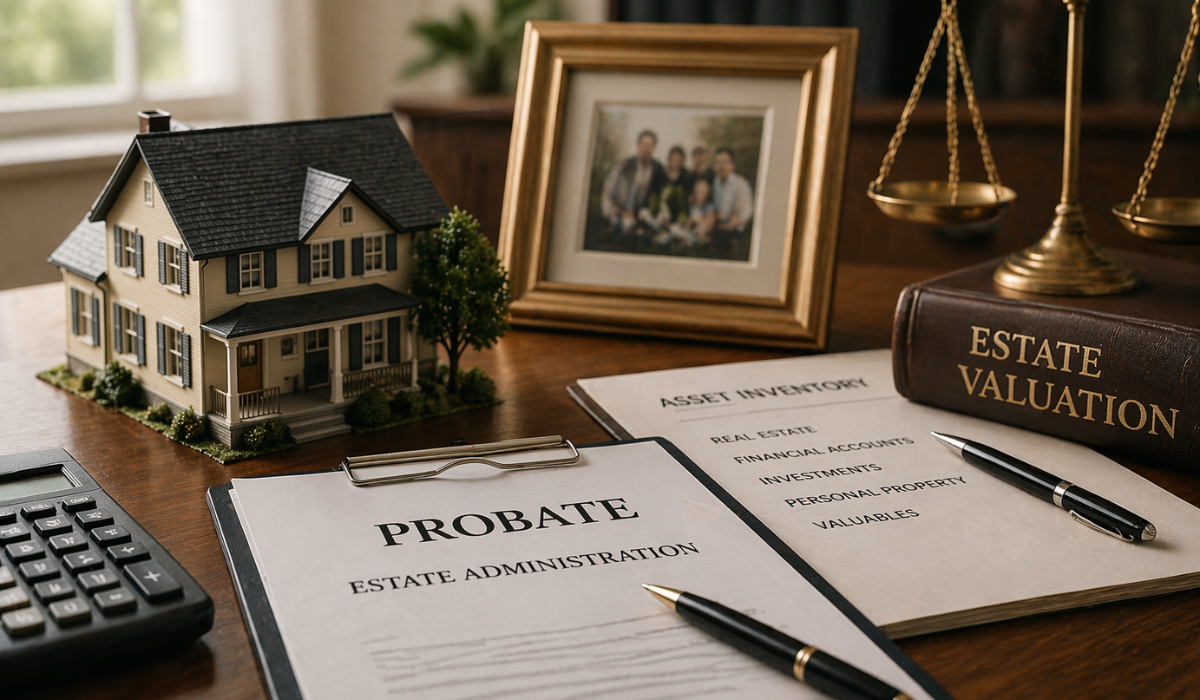
Probate is the legal process through which a deceased person's estate is settled.
It involves authenticating the will, appointing an executor, and distributing assets according to the will or state law.
One of the most important steps in the probate process is estate valuation, which determines the worth of the assets within the estate.
Understanding why estate valuation matters during probate can help families and executors navigate this complex process efficiently and ensure that all legal requirements are met.
Estate Valuation: A Key Part of the Probate Process
Estate valuation is necessary for a variety of reasons during probate.
It provides an accurate assessment of the deceased’s assets and is crucial for determining taxes, debts, and how the estate will be divided among heirs or beneficiaries.
Without a proper valuation, it would be nearly impossible to fairly distribute assets or ensure that any owed estate taxes are paid.
Importance of Estate Valuation:
Accurate Asset Distribution: Ensures that the assets are divided according to the deceased's wishes or applicable state laws.
Tax Calculations: Helps determine estate taxes that may be owed by the estate or beneficiaries.
Debt Settlement: Provides clarity on whether the estate has sufficient funds to cover outstanding debts.
Probate Valuation for Legal and Financial Needs
Estate valuation is not just about determining the worth of physical assets; it’s about meeting legal requirements and ensuring fair treatment of all parties involved in the probate process.
Legal Needs for Estate Valuation:
Probate Court Requirements: Courts require an accurate and up-to-date valuation of all assets before distribution can take place.
Will Execution: The value of the estate may influence how assets are divided according to the will.
Estate Taxes and Filing: A proper valuation is necessary for filing estate taxes and calculating any taxes owed.
Inventory Process: What’s Included in the Estate Valuation?
The estate inventory is a comprehensive list of everything owned by the deceased, and the valuation process is critical in determining the worth of these assets.
It includes tangible items like property and vehicles, as well as intangible assets such as stocks and intellectual property.
Key Components of an Estate Inventory:
Real Estate: Includes the value of homes, rental properties, or land owned by the deceased.
Personal Property: Covers items such as jewelry, antiques, artwork, and collectibles.
Financial Assets: Includes bank accounts, stocks, bonds, retirement funds, and insurance policies.
Business Interests: Represents ownership shares in private companies or business holdings.
Intangible Assets: Includes intellectual property like patents, trademarks, copyrights, and digital assets.
Documentation and Supporting Evidence in Estate Valuation
Accurate documentation is key when performing an estate valuation for probate.
The process requires collecting evidence and records that support the value of the assets in the estate.
This documentation serves as proof in the probate court and for tax purposes.
Documentation Required:
Appraisals: Professional evaluations for assets like real estate, jewelry, art, or collectibles.
Bank Statements: Provide proof of account balances and investment values.
Property Records: Include deeds and titles that confirm ownership and value.
Insurance Policies: Help assess coverage and payouts related to estate assets.
Receipts or Invoices: Support the valuation of personal property through purchase records.
Probate and Estate Taxes: The Role of Valuation
One of the most critical aspects of estate valuation during probate is calculating estate taxes. The value of the estate determines if and how much estate tax will be owed.
For estates that exceed a certain threshold, estate taxes are levied by the IRS or state tax authorities.
How Estate Valuation Affects Taxes:
Federal Estate Tax
If the estate's value exceeds the federal exemption limit, estate taxes will need to be paid.
The valuation of assets helps determine if the estate is subject to these taxes.
State-Specific Taxes
Some states have their own estate or inheritance taxes, which may apply even if federal taxes do not.
These taxes are also calculated based on the estate’s total value.
Probate Delays and Disputes Over Valuation
The probate process can be delayed if there is confusion or dispute over the valuation of the estate's assets.
Executors need to ensure that the valuation is accurate and transparent to avoid complications or legal challenges from heirs.
Common Disputes:
Disagreements Over Asset Value
Heirs may disagree with the valuation of certain items, particularly if they are rare or difficult to value, such as art, antiques, or collectibles.
Professional appraisers can help resolve these disputes.
Failure to Account for All Assets
If an asset is overlooked or improperly valued, it can delay the probate process and lead to complications down the road.
The Importance of Professional Help in Probate Valuation
Given the complexity of estate valuation, it is often beneficial to seek professional assistance.
Attorneys, financial advisors, and certified appraisers can help guide the process, ensuring all assets are properly valued and documented.
Working with professionals can save time, reduce errors, and ensure compliance with all legal and tax requirements.
Conclusion: The Value of Estate Valuation in Probate
Estate valuation plays a pivotal role in the probate process.
It ensures that the estate is handled fairly, taxes are calculated correctly, and assets are distributed according to the deceased’s wishes.
Executors, heirs, and beneficiaries must understand the value of the estate and ensure that the inventory is accurately assessed and documented.
For families navigating probate, working with professionals in estate valuation can help simplify the process and ensure that all legal obligations are met.
If you're ready to begin the estate valuation process or need expert assistance with valuing your estate, visit our Estate Valuation Services for High-Net-Worth Individuals.
This resource will provide the guidance and support needed for handling high-value assets.
FAQs
What is an estate valuation and why is it needed during probate?
An estate valuation is the process of determining the total value of a deceased person’s assets. It is required during probate to establish the estate’s worth for legal purposes such as settling debts, calculating estate taxes, and ensuring fair distribution among heirs. The valuation process provides a clear picture of the estate's assets, making it easier for executors to carry out their duties.
What assets are included in an estate valuation?
Estate valuations include both tangible and intangible assets. These can range from real estate, personal property (such as jewelry and furniture), and financial assets (such as bank accounts, stocks, and bonds). Additionally, any business interests or intellectual property are considered in the valuation process. Essentially, anything of value owned by the deceased is included in the estate valuation.
Why is estate valuation necessary for calculating estate taxes?
Estate taxes are based on the total value of the estate, which is determined through the estate valuation. If the estate exceeds a certain value threshold, federal and/or state estate taxes may be due. Without an accurate valuation, it would be impossible to calculate how much tax is owed. Estate valuation ensures that taxes are paid correctly and in compliance with legal requirements.
Who is responsible for conducting the estate valuation during probate?
The executor or personal representative of the estate is responsible for overseeing the estate valuation process. They may hire professionals such as appraisers, accountants, and attorneys to help accurately value the estate’s assets. In some cases, certain assets may require specialized appraisals to ensure their value is assessed correctly.
How is the value of real estate determined in an estate valuation?
The value of real estate is typically determined through a property appraisal, which considers factors such as the current market conditions, comparable property sales in the area, the condition of the property, and its location. The appraiser will assess these factors to determine an accurate market value at the time of the owner’s death.
Do I need a professional appraiser for every asset in the estate?
Not every asset requires a professional appraisal, but valuable items such as antiques, artwork, jewelry, and rare collectibles should be appraised by experts. A professional appraiser ensures that these assets are valued correctly, reducing the risk of disputes or errors during probate. For more common items like furniture or household goods, a general estimation may suffice.
How long does the estate valuation process take?
The estate valuation process can take anywhere from a few weeks to several months, depending on the complexity of the estate. A simple estate with limited assets may be valued quickly, while an estate with diverse and specialized assets may take longer to appraise. The process may also be delayed by legal or administrative issues.