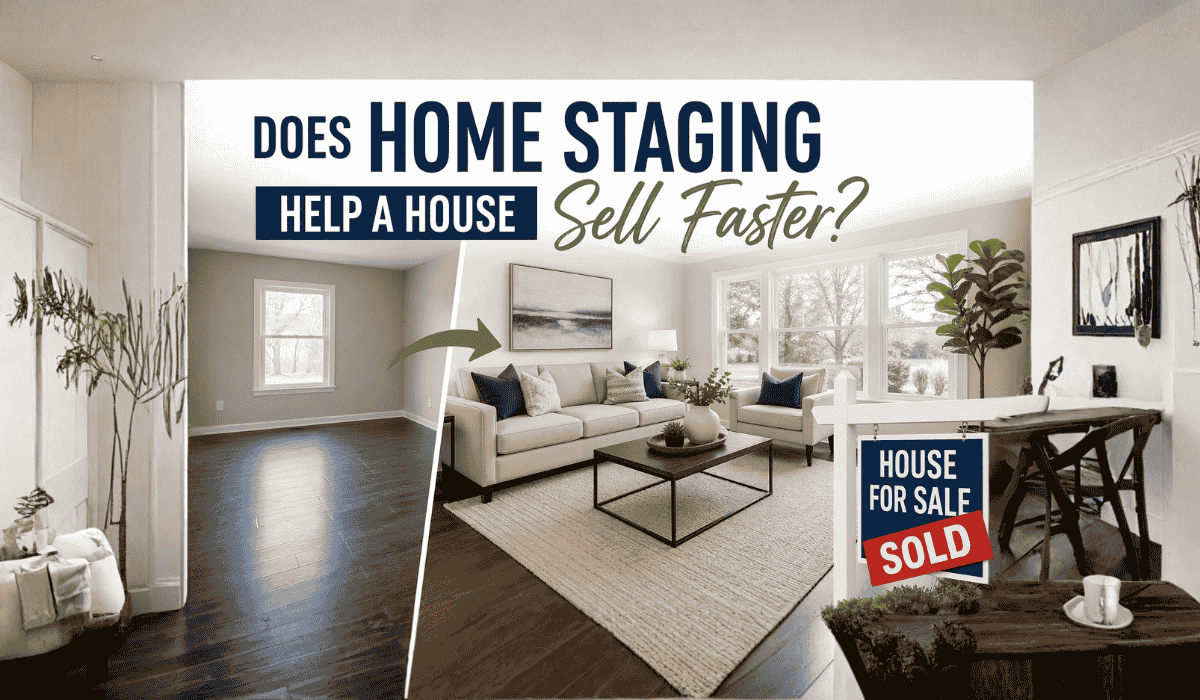
When preparing to sell a house, homeowners often wonder if staging their home is really worth the effort.
With so many tasks involved in the selling process, home staging may seem like an optional extra.
However, home staging can make a significant difference in how quickly a property sells and for how much.
In this guide, we’ll explore the benefits of home staging and how it can impact buyer perception, decluttering, and sale speed.
Why Home Staging Makes a Difference
Home staging is the process of arranging and decorating a home to showcase its best features.
It’s designed to help potential buyers imagine themselves living in the space, creating a welcoming, organized, and appealing environment.
Improved Buyer Perception
One of the primary reasons home staging helps a house sell faster is that it influences buyer perception.
Staged homes look more appealing and inviting, which can lead to a stronger emotional connection from potential buyers.
When a home is staged, it presents itself as well-maintained, stylish, and ready to move into, which can make it easier for buyers to envision themselves living there.
A well-staged home allows buyers to focus on the property’s features rather than being distracted by clutter or outdated décor.
Decluttering and Streamlining
Staging forces homeowners to declutter and organize the space, which is often one of the first steps in making a home more appealing.
Clutter can make rooms look smaller and less inviting, while clear, organized spaces allow buyers to see the full potential of each room.
When staging a home, it’s important to remove unnecessary personal items, excess furniture, and any clutter that could detract from the overall aesthetic.
A clean, clutter-free home gives the impression that the property has been well cared for, making it more attractive to buyers.
Faster Sales and Potentially Higher Offers
Studies have shown that staged homes often sell faster and for higher prices than homes that are not staged.
Staged homes tend to stand out in listings and showings because they look polished and well-maintained.
By creating a welcoming, neutral environment, staging allows buyers to picture themselves living in the space.
This can lead to quicker offers, fewer days on the market, and in some cases, even higher sale prices.
In competitive markets, staging can be the edge that helps a home sell faster compared to others.
Showcasing the Home's Full Potential
Home staging also helps highlight the full potential of a home, especially when rooms are used in ways that buyers may not have considered.
For example, a spare bedroom can be staged as a home office, a guest room, or a nursery to appeal to a broader range of buyers.
Staging can also help buyers see the possibilities of rooms that may otherwise seem too small or awkwardly shaped.
By showcasing the functionality and potential of the home, staging makes it easier for buyers to imagine how they would use the space.
When Is Home Staging Most Effective?
While home staging can benefit almost any home, there are certain situations when it can be especially valuable.
For example, homes that are vacant or have outdated décor can benefit from staging because it gives the home life and warmth.
Similarly, homes that have been on the market for a long time without selling may benefit from a fresh staging approach to attract new buyers.
Additionally, staging is particularly important in competitive
real estate markets where first impressions can make a significant difference.
Conclusion: Staging as an Investment
Staging is not just an added expense or an optional step, it’s an investment in the home’s sale potential.
While it requires time and effort, staging a home can lead to faster sales, higher offers, and a smoother selling process overall.
Whether you’re selling a small apartment or a large family home, home staging can help the property stand out and make a lasting impression on buyers.
For more information on home staging or to learn how we can help you prepare your home for sale, visit our
Home Organization & Staging Services page.
FAQs
What are the most important areas of the house to stage?
When staging a home, certain areas should take priority due to their impact on first impressions. The living room, kitchen, and master bedroom are key areas to focus on. These rooms are often where buyers will spend most of their time, so making them look inviting and functional is crucial. Other important areas include entryways and bathrooms, as they can affect the flow and atmosphere of the home.
Does home staging work for homes that are already furnished?
Yes, even homes that are already furnished can benefit from staging. Sometimes, rearranging existing furniture or adding a few new pieces can make a big difference in how the space is perceived. Staging can also involve decluttering, removing personal items, and adding neutral décor that appeals to a wider audience.
How much does professional home staging cost?
The cost of professional home staging can vary widely depending on the size of the home, the level of staging required, and your location. On average, homeowners can expect to pay anywhere from $500 to $5,000 for staging services. The cost typically covers furniture rental, décor, and the professional stager's time. However, the investment can lead to faster sales and a higher selling price, making it a worthwhile expense for many homeowners.
How long does it take to stage a home?
The time it takes to stage a home depends on its size, the amount of furniture and décor required, and the level of preparation needed. On average, home staging can take anywhere from 1 to 3 days. This process includes arranging furniture, adding décor, and making any necessary changes to the property. If the home requires extensive decluttering or repairs, staging may take longer.
Is it necessary to stage every room in the house?
It is not necessary to stage every room in the house, but the main living areas such as the living room, dining room, and master bedroom should definitely be staged. Other rooms like the kitchen, bathrooms, and additional bedrooms can also benefit from staging, but if there is a budget constraint, these areas should be prioritized. Rooms that are small or serve as storage space might not require staging, especially if they are not a focal point for buyers.