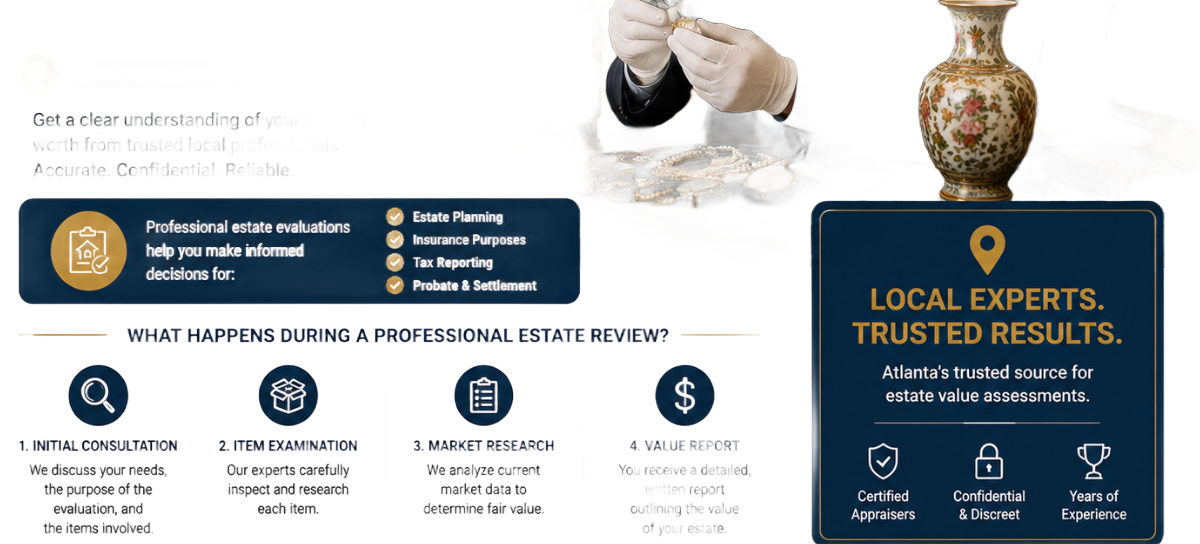
Estate valuation is an essential process for executors, families, and heirs when settling an estate.
It helps determine the worth of the deceased’s property for several purposes, including probate, taxes, and the equitable distribution of assets among heirs.
Executors and other responsible parties must understand what is included in an estate valuation, the methods used, and why it matters.
This guide will walk you through the key components of an estate valuation process.
What is Estate Valuation?
Estate valuation is the process of determining the market value of an estate’s assets at the time of the owner’s death.
This includes not only tangible assets, such as real estate and personal property, but also intangible assets like stocks, bonds, and intellectual property.
The valuation is typically required for probate purposes, determining inheritance tax obligations, and resolving any potential disputes among heirs or beneficiaries.
Key Purposes of Estate Valuation:
Probate: To establish the total value of the estate that will pass through the probate court.
Taxes: To calculate estate or inheritance taxes based on the value of the estate.
Distribution to Heirs: To ensure fair distribution of assets according to the deceased’s will or state law in the absence of one.
Valuation Factors: What Is Included?
Estate valuation involves assessing various types of property.
Each asset is evaluated based on its market value at the time of the owner’s death. Below are the primary categories of assets included in a typical estate valuation:
Real Estate and Properties
This includes any residential, commercial, or investment properties owned by the deceased.
The value is based on the current market value, determined through a professional appraisal or comparable property sales in the area.
Primary Residence: The home where the deceased lived.
Investment Properties: Real estate holdings, such as rental properties or vacation homes.
Land: Undeveloped or vacant land owned by the deceased.
Personal Property
Personal property includes a variety of items that are valuable in the eyes of the market or appraisers. This might include:
Jewelry and Watches: Appraised based on material value (e.g., diamonds, gold) and market demand.
Art and Antiques: Valuable collectibles, paintings, and heirlooms are assessed through specialized appraisals.
Furniture and Household Items: High-quality furniture, décor, and household items are included, though typically not valued as highly as rare items.
Financial Assets
This category includes stocks, bonds, retirement accounts, and other financial instruments owned by the deceased.
The value is based on the current market rate or account balances at the time of death.
Stocks and Bonds:
Publicly traded stocks or private investments.
Bank Accounts:
Checking, savings, and other financial accounts.
Life Insurance Policies:
The cash value or death benefit of any life insurance policies.
Intangible Assets
In addition to physical assets, intangible assets are also included in an estate valuation.
These assets might not be immediately visible but hold significant value.
Intellectual Property:
Copyrights, patents, trademarks, and royalties.
Business Interest:
Shares or ownership stakes in a privately held business.
Digital Assets:
Cryptocurrencies, domain names, or online businesses.
Miscellaneous Assets
Any other assets owned by the deceased, such as vehicles, collectibles (e.g., rare coins, stamps), or any items of value not covered in the categories above, should also be included in the valuation.
Appraisals: Why They Matter
An estate valuation often requires the expertise of professional appraisers, particularly for items that are difficult to value, like rare antiques, fine art, or jewelry.
Appraisers have the necessary training to assess the market value of these items accurately.
How Appraisers Determine Value:
Market Comparisons:
Appraisers will often compare the item with similar items sold recently in the market.
Condition and Rarity:
The condition of an item, as well as its rarity, can heavily influence its value.
Expert Knowledge:
Appraisers use specialized knowledge to determine the value of unique or difficult-to-quantify assets.
For certain high-value items, the executor may need to hire different appraisers for different categories, such as art, jewelry, and real estate.
Probate and Estate Tax Needs
Estate valuation is particularly important for legal and tax purposes.
Probate is the court process that verifies a will and ensures assets are distributed according to the deceased's wishes.
An estate’s value helps determine how much estate tax the heirs may owe.
How Valuation Affects Probate:
Probate Process:
The court needs an accurate assessment of the estate's value to ensure the will’s terms are properly executed.
Estate Taxes:
If the estate exceeds a certain value, it may be subject to estate taxes, which are calculated based on the total value of the estate at the time of death.
Common Challenges in Estate Valuation
Estate valuation can sometimes involve complications, especially when dealing with complex assets or multiple heirs. Here are some common challenges that may arise:
Disputes Over Asset Value
Heirs or beneficiaries might disagree over the value of certain assets, particularly those that are harder to appraise, like artwork or antiques.
Having a professional appraisal can help resolve these disputes.
Complicated or Hidden Assets
Sometimes assets are overlooked or difficult to locate, such as digital assets or hidden cash.
Executors need to ensure they conduct a thorough search to account for all items that should be valued.
Managing Estate Debts
In some cases, the estate may have debts or liabilities that must be considered in the valuation process.
These debts can reduce the overall value of the estate and affect how assets are distributed.
Estate Valuation and Precious Metals
Some estates may include precious metals like gold, silver, or platinum, which require specialized knowledge to value.
An experienced appraiser or
precious metals expert is essential for determining the current market value of these assets, especially given fluctuations in metal prices.
Executors may choose to sell these assets separately or as part of the overall estate liquidation process.
Conclusion
Estate valuation is a vital process that ensures the accurate assessment of a deceased person's assets.
Understanding what is included, how it’s valued, and why it matters can help executors navigate the probate process smoothly.
Whether dealing with real estate, personal property, financial assets, or more specialized items like intellectual property or precious metals, an accurate valuation provides clarity and ensures fair distribution among heirs.
Call to Action
If you’re ready to begin the estate valuation process or need help with appraisals, our team of experts is here to guide you every step of the way.
Check out our Estate Valuation Services for more information on how we can assist you.
Need help with precious metals or collectibles? Check out our Precious Metals Exchange services to learn more about our specialized valuation services.
Frequently Asked Questions (FAQs)
What does an estate valuation include?
An estate valuation includes determining the market value of all assets owned by the deceased, such as real estate, personal property (like furniture and jewelry), financial assets (stocks, bonds, bank accounts), and intangible assets (intellectual property, business interests). The process ensures the estate is accurately valued for probate, tax purposes, and equitable distribution to heirs.
Do I need an appraiser for estate valuation?
While not every asset requires an appraiser, valuable or hard-to-quantify items, such as art, antiques, jewelry, or rare collectibles, often need professional appraisal services. Appraisers use their expertise to determine the fair market value of these items, which helps ensure an accurate estate valuation.
Why is estate valuation important for taxes?
Estate valuation plays a critical role in calculating estate taxes. If the total value of the estate exceeds the tax threshold, the estate may be subject to taxes. A proper valuation ensures that the estate’s assets are reported accurately to the tax authorities and helps prevent overpayment or disputes.
Can I sell assets from an estate before the valuation?
It's best to complete the estate valuation before selling any major assets. This ensures that the estate’s value is correctly assessed for legal and tax purposes. Selling assets prematurely can complicate the valuation process, and it may not be in compliance with the probate or estate distribution guidelines.
How long does an estate valuation take?
The duration of an estate valuation depends on the complexity of the estate. For a straightforward estate with minimal assets, it may take only a few days to complete. However, if the estate contains complex assets like real estate, business interests, or valuable personal property, the valuation process could take several weeks or longer.
How are assets appraised for valuation?
Appraisers use several methods to determine the value of assets, including comparing similar assets that have recently sold (market approach), assessing the income the asset can generate (income approach), or calculating the replacement cost of the asset (cost approach). Each method depends on the type of asset being appraised.