Luxury handbags are more than just accessories, they are often seen as investments.
Over the years, high-end handbags from brands like Louis Vuitton, Chanel, Hermes, and Gucci have become highly sought after on the resale market.
But with the rise of counterfeit products, buyers and sellers alike are becoming increasingly concerned with authenticity.
This leads to an important question: should you authenticate your luxury handbag before selling it?
In this article, we explore why handbag authentication matters, how it impacts resale value, and why it’s a crucial step for both sellers and buyers.
Why Authentication Matters
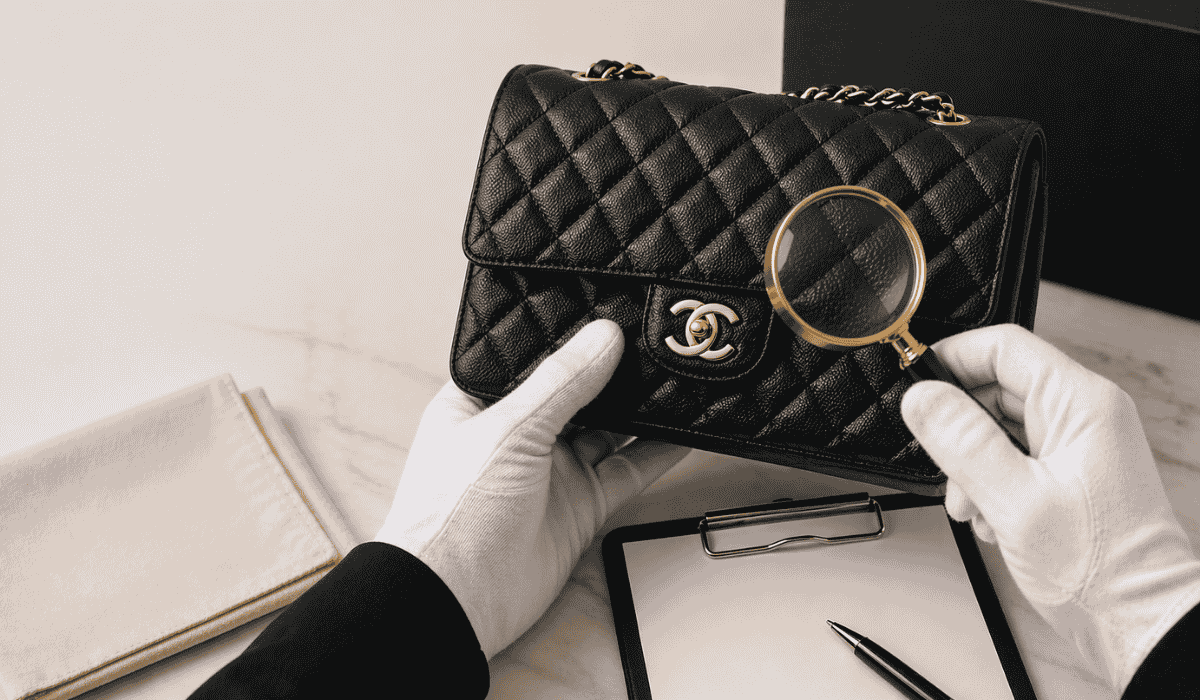
Handbag authentication is the process of verifying the authenticity of a luxury handbag to confirm that it is a genuine product from the brand.
With the growing number of counterfeit handbags entering the market, authenticating a luxury handbag before selling it is essential for several reasons.
Protects the Seller
For sellers, authentication adds credibility and trust to the transaction.
When selling a luxury handbag, especially online or through an estate sale, the buyers will likely want reassurance that the handbag is authentic.
By providing proof of authentication, sellers can avoid potential disputes, returns, or reputational damage due to claims of selling counterfeit goods.
Ensures Buyer Confidence
Buyers are becoming more cautious, particularly when purchasing high-value items like luxury handbags.
If a handbag is not authenticated, it can raise doubts about its authenticity.
Sellers who have a handbag authenticated before listing it can give buyers peace of mind, knowing they are purchasing a genuine, high-quality product.
This reassurance often translates into higher selling prices and faster transactions.
Avoids Legal Issues
Selling counterfeit goods, even unknowingly, can lead to legal issues, including fines or being banned from certain resale platforms.
Authentication services help ensure that the handbags being sold are genuine, preventing sellers from inadvertently violating intellectual property laws.
In many cases, resale platforms and marketplaces require proof of authenticity before allowing a handbag to be listed for sale.
The Impact of Authentication on Resale Value
One of the biggest reasons to authenticate a luxury handbag before selling it is to maximize its resale value.
Authentic handbags typically fetch higher prices on the resale market than their counterfeit counterparts.
The resale value of luxury handbags can fluctuate based on factors like brand, condition, and demand, but authentication plays a significant role in ensuring you get the best price.
How Authentication Affects Pricing
Authenticated bags generally perform better in the resale market.
When a buyer sees that the handbag is verified as authentic, they are more willing to pay a higher price, knowing they are getting what they expect.
Handbags with a certificate of authenticity or proof from a recognized authentication service can often sell for 10–30% more than non-authenticated bags, depending on the brand and condition.
Authentication Enhances Marketability
When a handbag is authenticated, it opens up more sales channels.
Many online platforms, including luxury consignment websites, require proof of authenticity before allowing a product to be listed.
Platforms like The RealReal, Vestiaire Collective, and Poshmark have strict policies in place to prevent counterfeit sales.
By having your handbag authenticated, you ensure that it can be marketed on these high-profile, trusted platforms, which can lead to a quicker sale at a better price.
Counterfeit Concerns: Why Authentication Is Vital
The luxury resale market is plagued by counterfeit goods.
As brands like Chanel and Louis Vuitton grow in popularity, so does the number of counterfeit bags flooding the market.
While counterfeit bags may look similar to the untrained eye, they often lack the quality, craftsmanship, and materials of genuine luxury products.
How to Spot a Fake
For many buyers, spotting a fake handbag can be difficult, especially as counterfeiters become more skilled at replicating luxury designs.
Common signs of a counterfeit handbag include poor stitching, low-quality leather, inconsistent logos or hardware, and mismatched serial numbers.
Even expert buyers and collectors may miss these signs, making authentication services essential in confirming the handbag’s authenticity.
Conclusion:
Authenticating your luxury handbag before selling it is a crucial step that benefits both sellers and buyers.
It enhances buyer confidence, ensures higher resale value, and protects against legal issues related to counterfeit goods.
By working with trusted authentication services, you can help guarantee that your handbag is genuine and ready for resale.
If you're ready to authenticate your luxury handbag or need assistance with selling it, visit our
Luxury Handbag Authentication services for more details on how we can help.
Authenticating your handbag before selling is an investment in a smooth and profitable sale.
Contact us now!
Frequently Asked Questions
Why is it important to authenticate a luxury handbag before selling it?
Authenticating a luxury handbag before selling it ensures that buyers are confident in the bag’s authenticity, which can increase the resale value and the likelihood of a quicker sale. It also protects sellers from legal issues related to the sale of counterfeit goods and adds credibility to the transaction. Authentication provides buyers with peace of mind, making them more willing to pay a premium for the handbag.
How can I authenticate a luxury handbag?
The most reliable way to authenticate a luxury handbag is by using a professional authentication service. These services are staffed by experts who know how to identify genuine items by examining features such as stitching, hardware, logos, and serial numbers. Some authentication services offer certificates of authenticity, which can be useful for resale platforms and buyers.
What is the difference between a handbag appraisal and authentication?
Handbag authentication focuses on verifying that the item is genuine, using expert analysis of its materials, construction, and branding. An appraisal, on the other hand, determines the financial value of the item, often considering factors like condition, rarity, and market demand. Both can be useful, but authentication ensures authenticity, while an appraisal helps set a price.
Can I sell my luxury handbag without authentication?
You can technically sell a luxury handbag without authentication, but it’s not recommended. Many buyers are cautious about purchasing high-value items online, especially when the authenticity of the product is in question. Not having authentication can result in fewer offers, lower prices, or even potential disputes. Authenticating your handbag increases its credibility and resale value.
How does authentication affect the resale value of my handbag?
Authenticated luxury handbags tend to sell for significantly higher prices than non-authenticated items. When buyers are assured that the item is genuine, they are more likely to pay a premium price. Handbags that are verified as authentic can often sell for 10–30% more than similar non-authenticated bags, depending on the brand, condition, and desirability.
Can I authenticate my handbag on my own?
While it’s possible to look for certain signs of authenticity yourself, such as serial numbers, stitching patterns, and hardware quality, it’s difficult for the untrained eye to catch all the subtle details that prove a handbag’s authenticity. Using a professional authentication service ensures a more thorough and reliable verification process.