

Estate Valuation for Charitable Donations: Tax Benefits

Perfect Piece • March 24, 2024

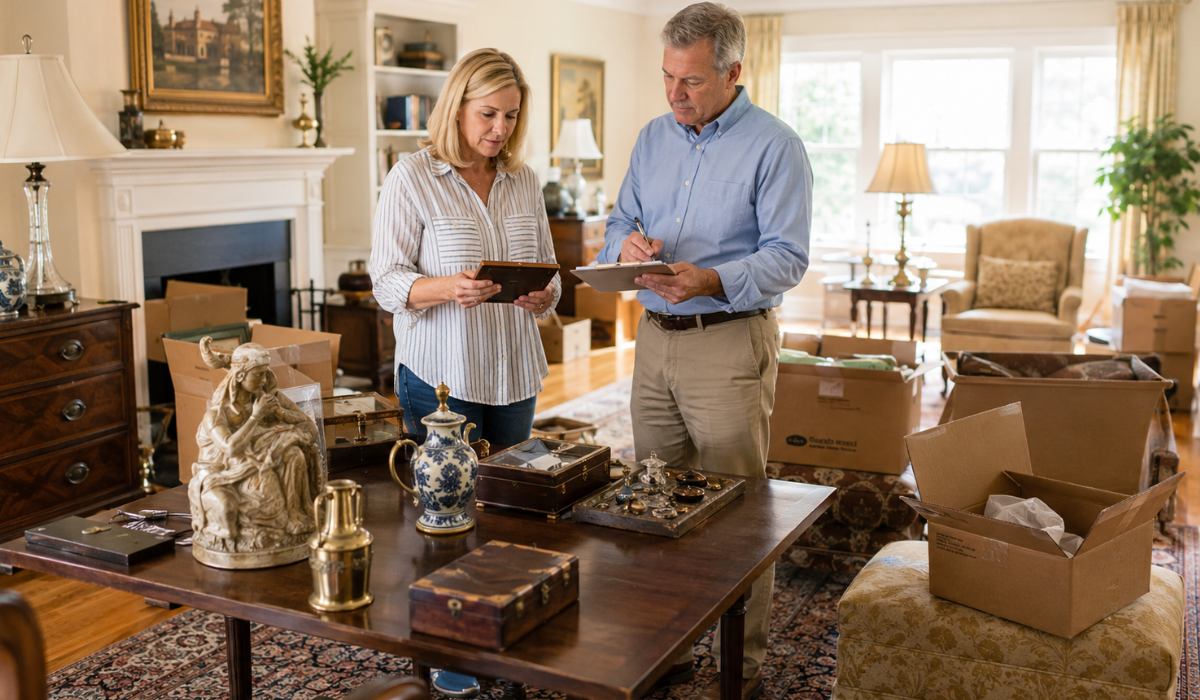
Estate valuation for charitable donations involves determining the fair market value of assets donated to charitable organizations.

The purpose of valuation is to establish the value of the donation for tax deduction purposes and to ensure compliance with IRS regulations.

Importance of Accurate Valuation

Accurate valuation is crucial to maximize tax benefits for donors while adhering to legal requirements.

It provides transparency and credibility to the donation process, reducing the risk of IRS scrutiny and potential penalties.

Understanding Charitable Donations

Charitable donations refer to contributions made to qualified organizations for philanthropic purposes.

These donations can include cash, securities, real estate, artwork, and other assets.

Tax Benefits of Charitable Donations

Donors can benefit from tax deductions on their income or estate taxes by contributing to qualified charities.

These deductions can significantly reduce the donor’s tax liability while supporting charitable causes.

Overview of Estate Valuation

Estate valuation involves assessing the total value of an individual’s assets at the time of their death.

This valuation is essential for probate proceedings, estate planning, and determining tax obligations.

Methods of Estate Valuation

Various methods, such as the market approach, income approach, and asset-based approach, are used to determine the value of estate assets based on their market value, income potential, or replacement cost.

Role of Estate Valuation in Charitable Donations

Accurate estate valuation is critical for determining the value of donated assets and calculating the tax deductions available to donors.

It ensures that donors receive the maximum tax benefits while complying with IRS regulations.

Ensuring Compliance with IRS Regulations

Proper estate valuation helps donors comply with IRS guidelines regarding charitable donations, substantiation requirements, and reporting obligations.

It reduces the risk of audits and penalties for non-compliance.

Factors Influencing Estate Valuation for Charitable Donations

A person is holding a box that says donations on it

Market Conditions

Market fluctuations can impact the value of assets, requiring careful consideration during estate valuation.

Economic factors, such as supply and demand dynamics, interest rates, and inflation, influence asset prices.

Asset Type and Condition

Different types of assets, such as real estate, securities, and artwork, require unique valuation methods based on their characteristics and market demand.

The condition and quality of assets also affect their valuation.

Lega lConsiderations

Legal factors, including ownership rights, liens, encumbrances, and zoning regulations, must be considered during estate valuation to ensure accurate and legally compliant assessments.

Appraisal Process for Estate Valuation

Hiring Qualified Appraisers

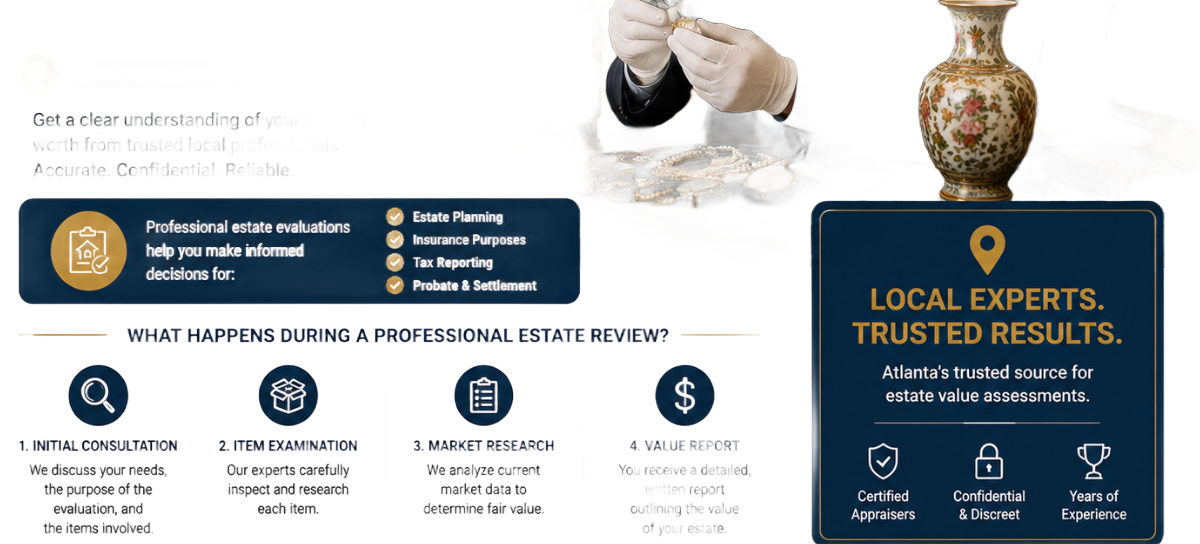
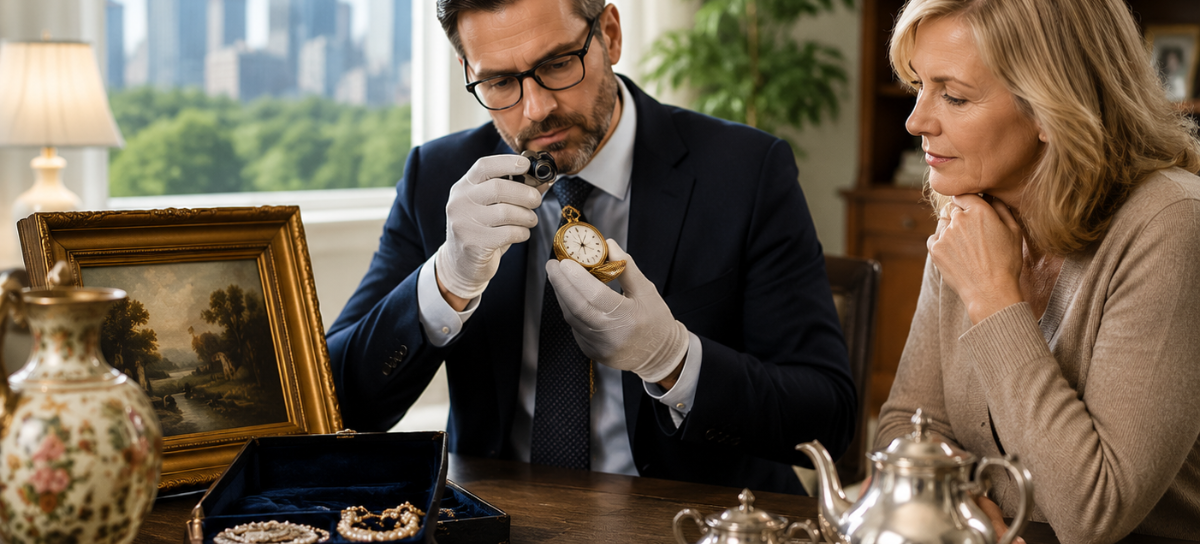
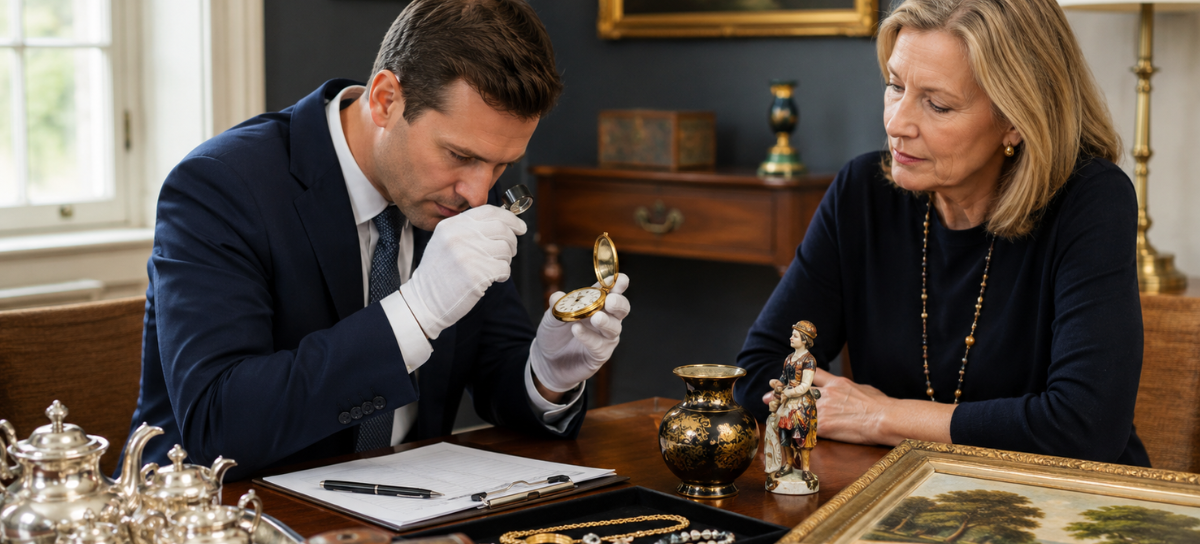
Donors should engage qualified appraisers with expertise in valuing specific types of assets, such as real estate appraisers, art appraisers, or business valuation experts.

Appraisers must comply with IRS standards and ethics guidelines.

Documentation Requirements

Detailed documentation, including appraisal reports, supporting documents, and IRS Form 8283, must be maintained to substantiate the value of donated assets and claim tax deductions.

IRS Form 8283

IRS Form 8283 is used to report non-cash charitable contributions exceeding $500 and must be filed with the donor’s tax return.

The form requires detailed information about the donated property and appraisal methodology.

Tax Benefits of Charitable Donations

Income Tax Deductions

Donors can deduct the fair market value of donated assets from their income taxes, subject to certain limitations and restrictions based on their adjusted gross income (AGI) and the type of asset donated.

Estate Tax Reduction

Charitable donations can reduce the taxable value of an estate, potentially lowering estate taxes and preserving more assets for heirs and beneficiaries.

Estate planning , such as charitable trusts, can further maximize tax benefits.F

Compliance with IRS Regulations

Substantiation Requirements

Donors must maintain adequate records, including appraisal reports, receipts, and communication with charities, to substantiate the value of charitable donations and support their tax deductions.

Penalties for Non-Compliance

Failure to comply with IRS regulations regarding charitable donations, substantiation requirements, or valuation standards can result in penalties, fines, and legal consequences for donors.

Strategies for Maximizing Tax Benefits

Timing of Donations

Strategic timing of charitable donations can optimize tax benefits by aligning contributions with changes in tax laws, income levels, and investment portfolios.

Donors should consult with financial advisors to identify opportune moments for giving.

Donor-Advised Funds

Donor-advised funds (DAFs) offer flexibility and tax advantages for charitable giving by allowing donors to contribute assets to a charitable fund and recommend grants to qualified organizations over time.

DAFs streamline the donation process and provide anonymity if desired.

Charitable Remainder Trusts

Charitable remainder trusts (CRTs) enable donors to transfer appreciated assets to a trust, receive income payments for a specified period, and ultimately donate the remaining assets to charity.

CRTs offer tax benefits, asset protection, and philanthropic legacy planning opportunities.

Challenges and Pitfalls in Estate Valuation for Charitable Donations

Subjectivity in Valuation

Valuing unique or illiquid assets such as artwork, intellectual property, or closely held businesses can be subjective and open to interpretation.

Appraisers must exercise diligence and professional judgment to arrive at defensible valuations.

IRS Scrutiny and Audits

The IRS closely monitors charitable contributions and estate valuations to prevent abuse, tax evasion, and fraud.

Donors should maintain accurate records, engage reputable appraisers, and comply with IRS guidelines to mitigate the risk of audits and penalties.

Legal Risks

Donors and appraisers face legal risks related to errors, omissions, or misrepresentations in valuation reports, which could lead to civil lawsuits, regulatory sanctions, or professional disciplinary actions.

Seeking legal counsel and professional liability insurance coverage can help mitigate potential liabilities.

Recent Developments and Updates in Estate Valuation

Changes in Tax Laws

Recent changes in tax laws, such as the Tax Cuts and Jobs Act (TCJA) and subsequent legislative reforms, have impacted estate tax exemptions, charitable deduction limits, and reporting requirements. Donors should stay informed about evolving tax regulations to adapt their giving strategies accordingly.

IRS Guidelines and Rulings

The IRS periodically issues guidance, rulings, and updates related to estate valuation, charitable contributions, and tax compliance.

Donors, appraisers, and tax professionals should monitor IRS publications and announcements to ensure adherence to current standards and practices.

Expert Advice and Recommendations

Seeking Professional Assistance

Donors should consult with experienced estate planners, tax advisors, and qualified appraisers to navigate complex valuation issues, maximize tax benefits, and minimize legal risks associated with charitable donations.

Professional expertise and due diligence are essential for achieving optimal outcomes.

Staying Informed and Updated

Staying informed about changes in tax laws, IRS regulations, and industry trends is crucial for effective estate planning and charitable giving.

Donors should engage in ongoing education, attend seminars, and leverage professional networks to stay abreast of developments in estate valuation and philanthropy.

Conclusion

Recap of Key Points

Estate valuation for charitable donations plays a critical role in maximizing tax benefits, ensuring compliance with IRS regulations, and supporting philanthropic endeavors.

Accurate valuation requires expertise, diligence, and adherence to professional standards.

Importance of Proper Estate Valuation for Charitable Donations

Proper estate valuation enhances transparency, credibility, and trust in the charitable giving process, benefiting donors, recipients, and society as a whole.

By valuing assets accurately and ethically, donors can make meaningful contributions to worthy causes while optimizing their tax planning strategies.

Future Outlook and Considerations

As tax laws, economic conditions, and philanthropic priorities continue to evolve, estate planners, appraisers, and donors must adapt their strategies and practices to meet changing needs and opportunities.

Collaboration, innovation, and ethical stewardship will shape the future of estate valuation and charitable giving.

Frequently Asked Questions (FAQs)

What is estate valuation for charitable donations, and why is it important?

Estate valuation for charitable donations involves determining the fair market value of assets donated to qualified charitable organizations. It’s crucial for maximizing tax benefits for donors and ensuring compliance with IRS regulations.

How is the value of donated assets determined for tax purposes?

The value of donated assets is typically determined based on their fair market value at the time of donation. This may involve appraisal by qualified professionals and adherence to IRS guidelines and valuation standards.

What types of assets can be donated for charitable purposes?

Donors can contribute various assets to charitable organizations, including cash, real estate, securities, artwork, collectibles, and intellectual property. Each type of asset may have unique valuation considerations and tax implications.

What are the tax benefits of making charitable donations?

Donors may be eligible for income tax deductions or estate tax reductions based on the value of their charitable contributions. These deductions can help lower the donor’s tax liability while supporting charitable causes.

What are donor-advised funds (DAFs), and how do they work?

Donor-advised funds are charitable giving vehicles that allow donors to contribute assets to a fund administered by a sponsoring organization. Donors can recommend grants to qualified charities over time while enjoying immediate tax benefits.

What documentation is required to claim tax deductions for charitable donations?

Donors must maintain detailed records, including appraisal reports, donation receipts, and IRS Form 8283 for non-cash contributions exceeding $500. Proper documentation is essential to substantiate the value of donated assets.

How can donors ensure compliance with IRS regulations regarding charitable donations?

Donors should familiarize themselves with IRS guidelines, valuation requirements, and substantiation rules for charitable contributions. Engaging qualified professionals, such as estate planners and appraisers, can help ensure compliance.

Are there any risks or pitfalls associated with estate valuation for charitable donations?

Valuing unique or illiquid assets, such as artwork or closely held business interests, can be challenging and subjective. Donors should exercise diligence, seek professional advice, and maintain accurate records to mitigate risks.

What recent developments or updates should donors be aware of regarding estate valuation and charitable giving?

Changes in tax laws, IRS regulations, and economic conditions may impact estate valuation and charitable deduction limits. Donors should stay informed about relevant developments and consult with professionals to adapt their giving strategies.

Where can donors find additional resources and assistance for estate valuation and charitable donations?

Donors can access resources such as IRS publications, professional organizations, and financial advisors specializing in estate planning and philanthropy. Consulting with experts and leveraging online tools can help donors navigate the complexities of charitable giving effectively.

November 27, 2025
Estate valuation is one of the most crucial steps in managing a person’s belongings after they pass away or when preparing to downsize, liquidate assets, or transfer property. From real estate and vehicles to jewelry, antiques, and collectibles, every piece of property holds value—and determining that value accurately requires careful assessment, documentation, and expertise. Estate valuation ensures transparency, fairness, and legal compliance, especially during probate, estate sales, divorce settlements, or wealth planning. Whether a family is navigating a stressful transition or planning ahead, understanding how estate valuation works helps protect what matters most. This is where professional Estate Valuation , asset appraisal services, and probate valuation experts become essential. What Is Estate Valuation? Estate valuation is the process of determining the fair market value of all assets owned by an individual at a specific point in time. These assets can include: Real estate properties Personal belongings (furniture, art, jewelry, vehicles) Investments and bank accounts Business ownership and intellectual property Collectibles and rare items The purpose of valuation can vary depending on circumstances, such as estate settlement, insurance, sale, taxation, or inheritance distribution. Accurate valuation ensures assets are measured fairly, preventing disputes among heirs, buyers, or legal entities. Why Estate Valuation Matters Properly determining the worth of an estate goes beyond numbers. It provides: 1. Fair Distribution of Assets When someone passes away, beneficiaries expect equitable distribution. A reliable valuation offers clarity so heirs receive property based on real market value rather than assumptions. 2. Probate and Legal Compliance During probate, courts require documented valuations to verify estate value and tax implications. Working with probate valuation experts helps ensure legal accuracy and fraud prevention. 3. Reduces Family Conflict Disagreements can arise when members believe certain assets are undervalued or overvalued. A neutral, professional appraisal eliminates misunderstandings. 4. Supports Estate Sales When families decide to liquidate assets through an estate sale, accurate pricing attracts buyers and maximizes revenue. 5. Tax Reporting Estate valuation also determines tax liabilities on inherited wealth or property transfers. Overvaluation could mean paying higher taxes, while undervaluation can lead to penalties. Primary Components of Estate Valuation Estate valuation is more than a single assessment. It requires in-depth examination of multiple categories: Real Estate The home or properties owned by the estate often make up the largest portion of total value. Professional appraisal determines: Market comparables Land condition and development potential Home upgrades and structural quality Property location trends Personal Property These items can include antiques, luxury brand collections, artwork, designer furniture, jewelry, vehicles, and more. Specialized asset appraisal services evaluate age, rarity, brand, craftsmanship, and market demand. Financial Assets Stocks, bonds, retirement accounts, and investment portfolios require valuation based on market performance and documentation. Business Interests If the deceased owned a business, an additional business valuation must be performed, including: Annual revenues Intellectual property Assets and liabilities Market competition analysis Who Conducts Estate Valuations? Estate valuation requires multiple experts depending on asset type: Asset Category Professional Involved Real estate Certified property appraisers Jewelry, art, collectibles Specialized appraisers Investments Financial advisors Probate processes Probate valuation experts Estate sales Professional estate sale companies When an estate contains diverse assets, hiring a full-service company helps simplify the process. The Role of Asset Appraisal Services Asset appraisal services provide accurate, detailed documentation of an estate’s items. Appraisers research market trends, authenticate rare assets, and determine realistic selling prices. These services protect families from undervaluation or opportunistic buyers and support fair estate liquidation strategies. Key benefits include: Professional documentation for legal use Reduced stress for families Maximum estate sale returns Prevents misrepresentation These services are priceless during probate, inheritance distribution, or preparing an estate sale. Understanding Probate and Valuation Requirements Probate is the legal process that confirms a will, identifies assets, pays debts, and distributes what’s left to beneficiaries. Courts require valuation to ensure assets are accounted for properly. Probate valuation experts provide: Legal paperwork documentation Court-ready valuation reports Tax compliance guidance Inventory and categorization of estate items Their expertise ensures families meet legal standards without costly mistakes or delays. How Estate Sales Connect to Valuation Many families choose an estate sale to liquidate property after valuation is completed. Accurate pricing ensures everything sells at maximum market value—not too high to discourage buyers, and not too low to lose money. Estate sale companies manage: Pricing and professional valuation Marketing and crowd management Sale events and negotiations Inventory tagging and organization Working with a reputable company ensures the estate is represented professionally, respectfully, and profitably. Why Professional Estate Valuation Is Better Than DIY While families may attempt to price belongings on their own, sentimental value can distort judgment. Online listings can be inaccurate, and rare items may require authentication. Professional valuation offers: Market-driven accuracy Neutral, impartial evaluations Authentication and expert pricing Legal and tax-ready documentation In estate planning or management, the cost of mistakes can far exceed the price of professional help. Estate Valuation With The Perfect Piece Atlanta At The Perfect Piece Atlanta , valuation and estate transition services are grounded in accuracy, integrity, and compassion. With decades of experience and a reputation as one of the top estate sale companies in Georgia, families trust our team for expert estate valuation support. Our mission is simple: to make your transition into the next chapter of life as smooth and stress-free as possible. Hosting multiple sales each weekend, we’ve grown into one of the largest estate sale companies in the state—ranked among the top 10 most viewed nationally. Fully insured through Auto-Owners Insurance, we offer peace of mind and professional protection at every step. With experienced valuators, auction specialists, and probate valuation experts, we ensure every asset in your estate is accurately priced, legally documented, and properly prepared for sale or transfer. Final Thoughts Estate valuation is more than determining what something is worth. It’s about honoring legacies, protecting families, and ensuring fairness. Whether you’re preparing for the future, managing a loved one’s estate, or planning a liquidating sale, relying on professionals ensures accuracy, legal compliance, and peace of mind. From personal treasures to financial investments, valuation helps provide clarity during life’s major transitions. With expert Estate Valuation, trusted asset appraisal services, and knowledgeable probate valuation experts, you can protect assets and make confident decisions—today and for generations ahead. FAQs What is estate valuation? Estate valuation is the process of determining the fair market value of all assets and property owned by an individual. This includes real estate, personal belongings, investments, business interests, and other valuables. Accurate valuation is essential for legal, tax, and estate planning purposes. Why is estate valuation important? Estate valuation ensures fair distribution of assets among heirs, helps calculate tax liabilities, supports probate processes, and provides accurate pricing for estate sales. It also minimizes disputes and protects families from financial loss. Who can perform estate valuation? Estate valuation should be conducted by professionals such as certified appraisers, financial advisors, and probate valuation experts. Specialized asset appraisal services may be needed for jewelry, artwork, antiques, or rare collectibles. What is included in an estate valuation? An estate valuation typically includes: Real estate properties (homes, land, commercial property) Personal property (furniture, art, jewelry, vehicles) Financial assets (bank accounts, investments, stocks) Business interests Collectibles and rare items How is real estate valued in an estate? Real estate is evaluated based on factors like location, property size, condition, market comparables, and recent sales trends. A certified real estate appraiser typically conducts this evaluation to ensure accuracy for probate or sale purposes. How are personal belongings and collectibles valued? Specialized appraisers assess items based on condition, authenticity, rarity, brand, and market demand. Asset appraisal services provide detailed documentation to support legal or sale-related decisions. What role do probate valuation experts play? Probate valuation experts help families and legal representatives determine the estate’s total value for court proceedings. They provide accurate reports, legal documentation, and tax compliance guidance, ensuring the probate process is smooth and efficient. Can I value my estate on my own? While it’s possible to estimate values, DIY assessments often lead to inaccuracies due to sentimental bias or lack of market knowledge. Professional valuation ensures accuracy, legal compliance, and fair market pricing. How does estate valuation affect taxes? Estate valuation determines the total worth of an estate, which affects estate taxes, inheritance taxes, and reporting requirements. Under or overvaluation can lead to penalties or missed opportunities for tax optimization. Why should I hire a professional estate sale company? A professional estate sale company ensures assets are priced accurately, marketed effectively, and sold efficiently. They coordinate with probate valuation experts and asset appraisal services to maximize returns and minimize stress for the family. How long does an estate valuation take? The timeline varies depending on the complexity and size of the estate. Simple estates may take a few days, while larger estates with diverse assets can take several weeks. Working with experienced professionals helps streamline the process. How much does estate valuation cost? Costs depend on the size and type of assets, complexity, and the professionals involved. Many estate sale companies or appraisal services offer transparent pricing or flat-fee packages for comprehensive estate valuation.
November 27, 2025
Precious metals such as gold, silver, platinum, and palladium have long been trusted assets in global commerce, investment, and financial security. Their value, however, is not arbitrary. It evolves based on a complex interaction of supply, demand, market speculation, economic stability, and global policies. Understanding how precious metals are valued in today’s market is especially important for investors, estate sellers, and anyone engaged in bullion buying and selling, jewelry exchanges, or the broader Precious Metals Exchange industry. From economic recessions to rapid inflation periods, precious metals continue to stand as stable financial shields. In a market where technology, global trade, and monetary systems evolve rapidly, knowing the true value of precious metals is more essential than ever. What Defines a Precious Metal’s Value? At the most basic level, precious metals are valued based on rarity, usefulness, and consumer demand. Unlike standard commodities, they are not merely raw materials; they are financial assets. Their value is influenced by: Purity and weight Market availability Industrial use Investment demand Historical performance Global economic stability For example, gold’s value has remained remarkably resilient even during recessions. Silver, on the other hand, experiences volatility due to its heavy use in manufacturing and electronic products. This variation explains why precious metal market rates shift almost daily and why experts rely on updated charts before making investment decisions. Global Economic Trends and Precious Metals Economic conditions are among the strongest indicators affecting precious metal value. When economies weaken, investors often turn toward physical assets like bullion to protect wealth. During inflation, people lose confidence in paper money, redirecting investment toward tangible metals. Bullion Buying and Selling: How Market Rates Work Bullion—bars, coins, and ingots made from pure metal—is commonly traded among dealers, investors, and estate services. Bullion buying and selling is heavily dependent on live precious metal market rates, which are updated minute by minute based on global trading activity. The value is influenced by: Spot price (the current price for immediate delivery) Premiums (added costs from dealers) Minting or manufacturing Bar or coin rarity For instance, even though two coins may contain the same amount of gold, a limited-edition coin from a government mint may carry a significantly higher premium than a standard bullion coin. Market Rates and Purity Testing Accurate valuation also requires determining purity and weight. Advanced testing methods ensure fair trading in transactions and estate sales. Common Metal Testing Methods XRF (X-ray fluorescence) – measures composition without damaging the item Acid testing – traditional method for determining purity Spectrometry – provides precise chemical analysis Electronic testing – used for jewelry and small items Purity levels help set exact pricing. For example, a 24-karat gold piece commands a higher price than a 14-karat one because 24K gold contains nearly 100% pure gold. Industrial Demand and Precious Metal Value Beyond investment, industrial use plays a massive role in determining long-term value. Silver and platinum are particularly affected. Metal Key Uses Market Effect Silver Electronics, solar panels, batteries High demand increases volatility Platinum Automotive catalytic converters Prices react to industry changes Palladium Electronics, medicine, aerospace Scarcity pushes prices upward Because industries rely on these metals, shifts in manufacturing, technology, or automotive production have major impacts on their prices and availability. How Estate Sales Affect the Precious Metal Market In estate sales, precious metals appear in various forms: jewelry, collectible coins, bullion, antique cutlery, and heirloom accessories. Evaluating these assets requires more than understanding weight and purity. It also involves: Market timing Collectible value Historical significance Condition and craftsmanship Current demand in the Precious Metals Exchange Professionally run estate sales often incorporate expert appraisal to ensure that these metals are priced according to live market data rather than subjective estimates. Why Professional Evaluation Matters A trained appraiser ensures fair returns by: ✔ Using real-time precious metal market rates ✔ Applying proper testing methods ✔ Accounting for craftsmanship and rarity ✔ Understanding investor and buyer demand ✔ Offering secure and trustworthy transactions This is particularly important in estate transitions, where families rely on accurate valuations to protect their financial assets. The Perfect Piece Atlanta: Trusted Expertise in Valuations When it comes to selling precious metals through estate services, experience matters. The Perfect Piece Atlanta brings professional knowledge and trust to every sale. With a mission to provide smooth, stress-free transitions and a reputation ranked among the top nationally, clients receive exceptional guidance and fair asset evaluations, including expert handling of precious metals. Fully insured through Auto-Owners Insurance and consistently awarded for excellence—including 10 consecutive years as Best of Gwinnett—The Perfect Piece ensures that valuables like gold, silver, and bullion are handled with transparency and care. Whether you are liquidating an estate, preparing for a sale, or interested in bullion buying and selling , working with knowledgeable professionals helps you get maximum value for your assets. Conclusion As global markets evolve, the value of precious metals continues to adapt. Investors, estate sellers, and collectors benefit most when they understand the key elements influencing valuation: Economic conditions Industrial demand Market rates and purities Collectible value and rarity Trusted appraisal services From live market fluctuations to professional-grade testing and estate expertise, today’s precious metal valuation is a blend of science, economics, and historical insight. Whether you are trading bullion, selling inherited jewelry, or seeking guidance through a Precious Metals Exchange, partnering with knowledgeable professionals ensures clarity, fairness, and financial peace of mind. When working with an experienced estate service like The Perfect Piece Atlanta, you can rest assured that your valuable metals are evaluated accurately, sold securely, and handled with the highest level of integrity—helping to preserve your wealth as you transition into life’s next chapter. FAQs What determines the value of precious metals in today’s market? Precious metals are valued based on purity, weight, demand, rarity, global economic trends, and live precious metal market rates. Metals like gold and silver are also influenced by industrial demand and investor confidence during economic instability. What is the difference between spot price and selling price? The spot price represents the current market price of a precious metal for immediate purchase or sale. However, the selling price often includes premiums or additional costs due to minting, dealer fees, and the rarity of the coin or bar—especially in the bullion buying and selling market. How does a Precious Metals Exchange work? A Precious Metals Exchange is where buyers, investors, dealers, and brokers trade precious metals like gold, silver, platinum, and palladium. Prices fluctuate throughout the day based on global supply and demand, market speculation, and economic indicators. Why do precious metal prices increase during inflation? During inflation, the value of currency decreases, causing investors to shift toward safer physical assets such as gold or silver. This increased demand results in higher precious metal market rates, protecting wealth when paper money loses purchasing power. Are jewelry and bullion valued the same way? No. Bullion is valued mainly by purity and weight, based on the spot price. Jewelry valuation includes additional factors such as craftsmanship, brand, gemstone additions, and historical or collectible value. This is why expert appraisal is recommended for estate items. How are precious metals tested for authenticity? Valuation experts typically use several methods, including: XRF (X-ray fluorescence) Electronic testers Acid testing Spectrometry These tests help determine purity and authenticity before buying or selling through a Precious Metals Exchange or estate sale. Can an estate sale company help me sell precious metals? Yes. Experienced companies like The Perfect Piece Atlanta offer appraisal, valuation, and secure selling assistance for jewelry, coins, bullion, and other valuable metal items. Their expertise ensures you receive the best market value with current precious metal market rates. Why do silver and platinum prices fluctuate more than gold? Silver and platinum are heavily used in industrial applications such as electronics, automotive components, and solar products. This makes their prices more sensitive to manufacturing trends, supply issues, and technological advances compared to gold. Are rare coins more valuable than standard bullion? Often yes. Collectible coins may carry premiums due to rarity, historical value, condition, and minting. They can be worth more than their metal content alone, making expert evaluation important during bullion buying and selling or estate liquidation. How often should I check precious metal market rates before selling? Since prices fluctuate daily, it’s best to check live market charts frequently if you plan to sell soon. An estate service with valuation professionals can help monitor rates and recommend the best time to sell for maximum profit. Do global political events affect precious metal prices? Yes. Precious metals are often viewed as safe-haven assets during political instability. Events such as international conflicts, trade restrictions, or government policy changes can influence investor behavior, causing fluctuations in precious metal market rates. Is it better to sell precious metals during an estate sale or directly to a Precious Metals Exchange? It depends on the item. If you have bullion or standard bars and coins, selling through a Precious Metals Exchange may provide straightforward pricing. However, items like antique jewelry, rare coins, or designer pieces often sell for higher value at a professionally managed estate sale where craftsmanship, collectibility, and buyer demand can increase the final sale price.
November 27, 2025
Preparing a home for sale goes beyond taking attractive photos or scheduling viewings. One of the most powerful strategies for maximizing property value and attracting the right buyers is home staging. Whether you’re putting a small condo or a large estate on the market, staging transforms your property into a market-ready space that potential buyers can instantly envision themselves living in. When done correctly, home staging speeds up the selling process and increases your return on investment. In today’s competitive real estate market, buyers expect polished, move-in-ready homes. Thanks to professional Home Organization , design styling, and decluttering methods used in Staging Services , sellers can create captivating environments that highlight a property’s strengths and reduce any potential buyer objections. Let’s explore why home staging is essential before selling your property and how it impacts your financial and emotional success during the selling journey. First Impressions Influence Buying Decisions Buyers form an opinion of your home within the first 7–10 seconds of walking in the door. That first impression can either pull them in emotionally or push them away instantly. Staging ensures your space looks clean, stylish, and well-maintained from the very moment buyers step into the entryway. Professional property staging services focus on: Highlighting architectural features such as fireplaces, large windows, or high ceilings. Ensuring the entryway feels welcoming and clutter-free. Creating a visual flow from room to room that feels natural and open. This visual and emotional appeal encourages buyers to linger longer, imagine themselves living in the space, and develop a connection that leads to stronger offers. Staging Helps Homes Sell Faster One of the most compelling reasons to stage your home is to reduce the number of days it sits on the market. The longer a home stays listed, the more it becomes susceptible to lower offers or stigmas that something might be wrong with it. Professionally staged homes often: Sell quicker than non-staged properties. Receive more inquiries online due to high-quality presentation. Capture more attention in competitive markets with similar-priced homes. By incorporating home presentation services, you can make your listing stand out and move faster through the selling pipeline. Staged Homes Sell for Higher Prices Staging isn’t an expense—it’s an investment. Multiple real estate studies consistently show that staged homes sell for higher prices than unstaged homes. Buyers are more likely to offer close to (or above) asking price when a property appears move-in ready. The reasons behind higher selling prices include: Buyers perceive the home as well cared for. Staged homes feel brighter, larger, and more updated. Professional Home Organization makes each room feel functional and purposeful. Staging allows buyers to see value, not flaws. Instead of noticing outdated paint, awkward furniture placement, or storage clutter, they notice beauty, layout potential, and lifestyle possibilities. Staging Minimizes Buyer Objections When a home is empty or cluttered, buyers focus on imperfections. They begin to notice wall scuffs, outdated light fixtures, chipped paint, or layout challenges. Staging Services strategically direct attention away from minor flaws and toward desirable aspects, such as natural light, open spacing, and room flow. Professional stagers use techniques like: Balanced furniture placement to maximize space. Neutral color palettes to appeal to a wider buyer pool. Depersonalization to help buyers imagine themselves in the home. By neutralizing distractions, staging limits objections that could interfere with negotiations. Staging Maximizes Space and Functionality Many buyers struggle to visualize how furniture fits, especially in smaller or uniquely shaped rooms. Staging removes that barrier by demonstrating how each room can be used effectively. With the help of expert property staging services, empty or awkward areas can be transformed into: A home office A reading nook A mudroom space A media room A functional dining or sitting zone When buyers can see how to use every square foot, the property feels more valuable and livable. Decluttering and Home Organization Add Value Beyond furniture arrangement and decor, staging often involves strategic Home Organization, which can have a major impact on perceived value. Clean, tidy, and well-organized spaces suggest that the homeowner has maintained their property well. Home organization provides: Visually appealing closets and storage areas. Cleaner countertops and cabinet space. More open, breathable areas that look larger. Buyers equate clutter with poor maintenance. Organization sends the opposite message: care, pride, and function. Professional Staging Improves Online Listings Nearly all buyers begin their home search online. If your home doesn’t look inviting in photos, it will be overlooked—no matter how great it is in person. Professional stagers work closely with photographers to make sure the home is perfectly presented for online platforms. High-quality presentation creates: More clicks on listing pages Better engagement on social media Increased interest from realtors and buyers More scheduled showings and offers Since online visuals drive interest, home presentation services play a crucial role in a modern selling strategy. Conclusion Home staging has become a standard in modern real estate, not a luxury. It elevates a property’s appeal, speeds up the selling process, and maximizes market value. By leveraging professional Staging Services, property staging services, and home presentation services, sellers create memorable, impactful experiences that resonate with buyers emotionally and financially. Choosing to stage your home before selling is one of the smartest decisions you can make to ensure a strong return, smoother negotiations, and a quicker transition into your next chapter. About The Perfect Piece Atlanta At The Perfect Piece Atlanta , our mission is to make your transition into the next chapter of life as smooth and stress-free as possible. Consistently ranked among the top 10 most viewed estate sale companies in the nation—and #1 in Georgia—our reputation speaks for itself. We host multiple estate sales every weekend, making us one of the largest estate sale companies in the state. We are proud recipients of the Best of Gwinnett award for 10 consecutive years and are fully insured through Auto-Owners Insurance, giving you an added layer of protection and peace of mind throughout the entire process. Whether you need help staging, selling, organizing, or transitioning, we’re here to guide you every step of the way. FAQs What is home staging, and why is it important when selling a property? Home staging is the process of preparing and presenting a property to appeal to potential buyers through decluttering, decorating, furniture arrangement, and Home Organization. It enhances the home’s visual and emotional appeal, making it more attractive and market-ready. Staged homes typically sell faster and at higher prices than non-staged homes. How do professional Staging Services help increase property value? Professional Staging Services highlight a home’s best features, improve layout flow, and create inviting spaces that buyers can envision themselves living in. This leads to stronger buyer interest, competitive offers, and potentially higher market value. Staging makes your property look well-maintained and move-in ready. Do I need to stage my home if it’s already furnished? Yes. Even furnished homes benefit from staging. Professionals work on decluttering, rearranging furniture, updating accessories, and polishing the overall look. Home Organization and decor styling enhance buyer perception and remove distractions that might discourage offers. What are property staging services, and what do they include? Property staging services typically include furniture placement, décor selection, lighting enhancement, color coordination, decluttering support, and room layout optimization. Some services also coordinate repairs, cleaning, and minor upgrades to enhance the home’s market presentation. Can home staging help small or awkward spaces? Absolutely. Home staging helps buyers visualize functionality, especially in smaller rooms or unusual layouts. Skilled staging professionals use strategic furniture placement and design to maximize space, make rooms feel larger, and showcase their full potential. Is staging necessary if I’m selling a vacant home? Yes. Vacant homes can feel cold and difficult to visualize. Without furnishings, buyers may focus on empty spaces or flaws. Home presentation services bring life to a property by adding furniture, décor, and style, helping buyers connect emotionally during showings and online viewings. How does home organization affect a property’s sale? Good Home Organization improves a buyer’s perception of cleanliness, maintenance, and usable space. Organized closets, cabinets, pantries, and bedrooms create a sense of order and functionality, increasing the home’s appeal and perceived value. Is staging only for luxury homes? No. Staging is beneficial for all property types—condos, townhomes, single-family homes, or large estates. Whether modest or high-end, every property benefits from professional staging because buyers naturally respond to well-presented spaces. How long does the staging process take? The duration depends on the size of the home and the level of preparation needed. Basic staging and home organization can take 1–3 days, while larger homes or complete staging projects may take up to a week. Professional teams work efficiently to align with listing deadlines. Are home presentation services expensive? Costs vary depending on the scope of work, but staging is considered a valuable investment. Since staged homes typically sell faster and at higher prices, the return on investment usually outweighs the initial cost. Many sellers recover staging expenses through increased offers.
November 27, 2025
Moving to a new home can be one of life’s most exciting transitions. Yet, for many people, it’s also one of the most overwhelming. From sorting through years of belongings to ensuring every valuable item is safely transported, the process can quickly turn into a stressful experience. Fortunately, expert Packing Services offer a solution that simplifies relocation, eliminates heavy lifting, and drastically reduces the risk of damage during transit. Professional assistance doesn’t just speed up the move—it protects your belongings, saves time, and enhances peace of mind throughout the process. Whether you're relocating across the street or cross-state, relying on trained specialists transforms a stressful event into a smooth and efficient journey. Why Packing Is the Most Critical Step in Moving Packing is much more than just placing items into boxes. It requires strategy, material selection, and experience in handling a diverse range of belongings—from fragile glassware to heavy appliances. When people pack on their own, they often underestimate: How much packing material is needed The number of items they own The time required to pack safely The best techniques to protect delicate and high-value items As a result, self-packed boxes are more likely to break open, items may get scratched, electronics may be damaged, and valuables might be improperly secured. Professional moving services eliminate these risks by applying expert methods and using high-quality materials. How Expert Packing Services Reduce Damage Risks Damage during relocation is most often caused by improper packing or inadequate handling. Expert Packing Services minimize these risks by offering: 1. Professional-Grade Packing Materials Experts use durable boxes, specialty wraps, cushioning foam, furniture covers, dish dividers, and protective padding that are designed to keep items secure during transport. These materials absorb shock, prevent scratches, and ensure items stay stable in the moving truck. 2. Proper Wrapping and Layering Techniques Packing specialists are trained to wrap items based on their fragility and shape. For example: Mirror and picture frames are packed upright in reinforced boxes Dishes are packed vertically, not flat Electronics are protected with anti-static materials These techniques significantly reduce the chances of breakage. 3. Item-Specific Packing Not every item is packed the same way. Expert packers use customized methods for: Artwork and collectibles Furniture and décor Antiques and fragile heirlooms Electronics and appliances Jewelry and personal valuables This tailored approach guarantees maximum protection. 4. Comprehensive Labeling Systems Labeling may seem simple, but it is essential for preventing mishandling. Professionals use barcode-level documentation or detailed labels that identify: Fragile items Room destination Handling instructions Box contents This ensures movers know exactly how to treat each box, dramatically reducing mistakes. How Packing Services Reduce Moving Stress Beyond physical protection, these services play a major role in reducing emotional and logistical stress. Here’s how: 1. Saves Time and Energy Packing an entire house can take days or even weeks for a family. With expert help, the job is completed efficiently in a fraction of the time. This frees you to focus on other priorities like planning, kids, work, and settling into your new space. 2. Eliminates Last-Minute Rush Many people underestimate the effort involved and end up packing late into the night before moving day. Professional moving services prevent this chaos by working on a planned schedule with strategic packing phases. 3. Reduces Decision Fatigue Sorting through belongings is mentally draining. Professionals help organize items by category, declutter responsibly, and pack with purpose. This reduces the number of micro-decisions homeowners need to make. 4. Enhances Safety for You and Your Family Improper lifting, handling heavy boxes, and navigating tight stairs can lead to injuries. Expert packers are trained in safe handling techniques and use tools like dollies, straps, and lifts to reduce physical risk. The Role of Professional Moving Services and House Relocation Services Many reliable companies now offer comprehensive relocation solutions that include not only packing but also loading, transportation, unpacking, and setup. These all-in-one house relocation services provide: Trained movers experienced in fragile and antique handling Licensed and insured services for added protection Secure transportation with well-equipped trucks Careful unloading and placement in the new home This integrated support ensures there are no gaps in handling, further reducing damage risks. When Should You Hire Packing Services? Consider professional assistance if you: ✔ Own high-value collectibles, antiques, or artwork ✔ Are short on time or moving urgently ✔ Have a large home or complex items to move ✔ Are moving long-distance ✔ Want guaranteed damage protection ✔ Prefer a stress-free process Even small apartments benefit, as experts pack faster, safer, and more efficiently than untrained hands. Common Mistakes People Avoid by Hiring Experts Without expert help, people often make the following errors: ❌ Underfilling or overfilling boxes ❌ Using old or weak boxes ❌ Packing heavy items in large boxes ❌ Wrapping fragile items poorly ❌ Forgetting to label contents ❌ Not disassembling furniture ❌ Mixing sharp objects with soft goods Hiring professionals prevents these mistakes automatically. Benefits Go Beyond Moving Day Once your items arrive safely, many professional moving services also offer: Unpacking and organizing Furniture assembly Debris removal Room-by-room setup assistance This makes settling into your new place faster and easier. Final Thoughts: Make Your Move Secure, Smart, and Stress-Free Relocating doesn’t have to be a stressful experience. With the support of expert Packing Services, you gain protection, efficiency, organization, and peace of mind throughout your move. The investment you make in hiring specialists pays off in saved time, reduced damages, and a smoother transition to your new home. Whether you’re moving to a new neighborhood or preparing to downsize, professional assistance ensures you begin the next chapter of your life with confidence—not chaos. About Us: The Perfect Piece Atlanta At The Perfect Piece Atlanta , our mission is to make your transition into the next chapter of life as smooth and stress-free as possible. Consistently ranked among the top 10 most viewed estate sale companies in the nation—and #1 in Georgia—our reputation speaks for itself. Hosting multiple sales each weekend, we’ve grown into one of the largest estate sale companies in the state, earning numerous awards, including Best of Gwinnett for 10 consecutive years. Fully insured through Auto-Owners Insurance, we offer an added layer of protection and peace of mind, ensuring every step of your relocation journey is handled with exceptional care. FAQs Why should I hire professional Packing Services instead of packing myself? Hiring expert Packing Services ensures your belongings are packed with proper materials and techniques that reduce the risk of breakage, scratches, and loss. Professionals also save time, offer liability protection, and make the moving process stress-free. Do professional moving services provide packing materials? Yes. Most professional moving services supply premium packing materials, including specialty boxes, bubble wrap, dish dividers, furniture pads, and protective foam. These materials are designed to protect valuables during handling and transportation. Can packers handle fragile or valuable items? Absolutely. Trained packers specialize in handling antiques, artwork, heirlooms, glassware, electronics, and other delicate or high-value pieces. They use item-specific techniques to ensure maximum safety. Are packing services helpful for small houses or apartments? Yes. Whether you have a small studio or a large home, Packing Services streamline the process, save time, and reduce risks. Even for smaller moves, experts help prevent damage and reduce physical labor. Do house relocation services include unpacking? Many companies offer unpacking as part of their house relocation services. This may include organizing, assembling furniture, setting up items room-by-room, and removing packing debris to make your move-in easier. How early should I book packing services before moving? It’s best to book at least 2–4 weeks in advance, especially during peak moving seasons. Early booking allows specialists to evaluate your needs, plan materials, and schedule packing efficiently. Are packing services insured? Reputable companies are insured, offering an added layer of protection if an item is accidentally damaged. This gives homeowners peace of mind, unlike self-packing where damage is not covered. What items benefit most from professional packing? Fragile items like glassware, mirrors, artwork, electronics, collectibles, musical instruments, antiques, and large furniture benefit greatly from professional packing to prevent costly damage. Can I choose to pack some items myself and use professional packing services for the rest? Yes. Many companies offer partial packing options. You can choose to have experts pack only specific items or rooms while you pack the rest at your convenience. What makes professional house relocation services different from basic movers? House relocation services provide complete solutions, including packing, loading, transportation, unloading, unpacking, organization, and sometimes estate or downsizing assistance. Basic movers typically only transport items. How do packing services help reduce moving stress? They eliminate time-consuming packing tasks, reduce decision fatigue, prevent rushed packing, minimize injury risks, and ensure a smooth process so you can focus on settling into your new home. Can packing services help with downsizing or estate transitions? Yes. Many relocation experts, including estate service providers, help homeowners sort items, coordinate estate sales, donate unwanted belongings, and professionally pack only what needs to move.
Essential Real Estate Insights for Buyers and Sellers
November 25, 2025
Get key tips every buyer and seller should know—market trends, pricing strategies, negotiation basics, and what to expect during the real estate process.
Essential Items You Must Carry to Get the Best Value for Your Jewelry or Precious Metals
November 24, 2025
Get the best price for your jewelry or precious metals. Discover the must-have items—ID, certificates, appraisals, and receipts—before visiting a cash-for-gold buyer.
How Long Estate Liquidation Takes
November 21, 2025
Estate liquidation usually takes 2 to 6 weeks, depending on how many items are in the home and how quickly everything can be sorted and sold.
Estate Auctions Work & When They’re Better Than Estate Sales
November 20, 2025
Estate auctions work by selling items to the highest bidder in a competitive, fast-paced setting—often allowing families to liquidate assets quickly and efficiently.
Home Packing Services & How Experts Protect Fragile Items
November 12, 2025
Home packing services handle sorting, boxing, and labeling your items. Pros use bubble wrap, padding, and sturdy boxes to keep fragile items safe.
How Professionals Protect Your Valuables, Art Pieces, and Fragile Items During Packing
November 7, 2025
Learn how professional packers protect valuable items, artwork, and fragile belongings using expert packing methods and secure materials.
Show More