Precious metals such as gold, silver, platinum, and palladium have long been trusted assets in global commerce, investment, and financial security.
Their value, however, is not arbitrary. It evolves based on a complex interaction of supply, demand, market speculation, economic stability, and global policies.
Understanding how precious metals are valued in today’s market is especially important for investors, estate sellers, and anyone engaged in bullion buying and selling, jewelry exchanges, or the broader
Precious Metals Exchange industry.
From economic recessions to rapid inflation periods, precious metals continue to stand as stable financial shields.
In a market where technology, global trade, and monetary systems evolve rapidly, knowing the true value of precious metals is more essential than ever.
What Defines a Precious Metal’s Value?
At the most basic level, precious metals are valued based on rarity, usefulness, and consumer demand.
Unlike standard commodities, they are not merely raw materials; they are financial assets. Their value is influenced by:
- Purity and weight
- Market availability
- Industrial use
- Investment demand
- Historical performance
- Global economic stability
For example, gold’s value has remained remarkably resilient even during recessions.
Silver, on the other hand, experiences volatility due to its heavy use in manufacturing and electronic products.
This variation explains why
precious metal market rates shift almost daily and why experts rely on updated charts before making investment decisions.
Global Economic Trends and Precious Metals
Economic conditions are among the strongest indicators affecting precious metal value.
When economies weaken, investors often turn toward physical assets like bullion to protect wealth.
During inflation, people lose confidence in paper money, redirecting investment toward tangible metals.
Bullion Buying and Selling: How Market Rates Work
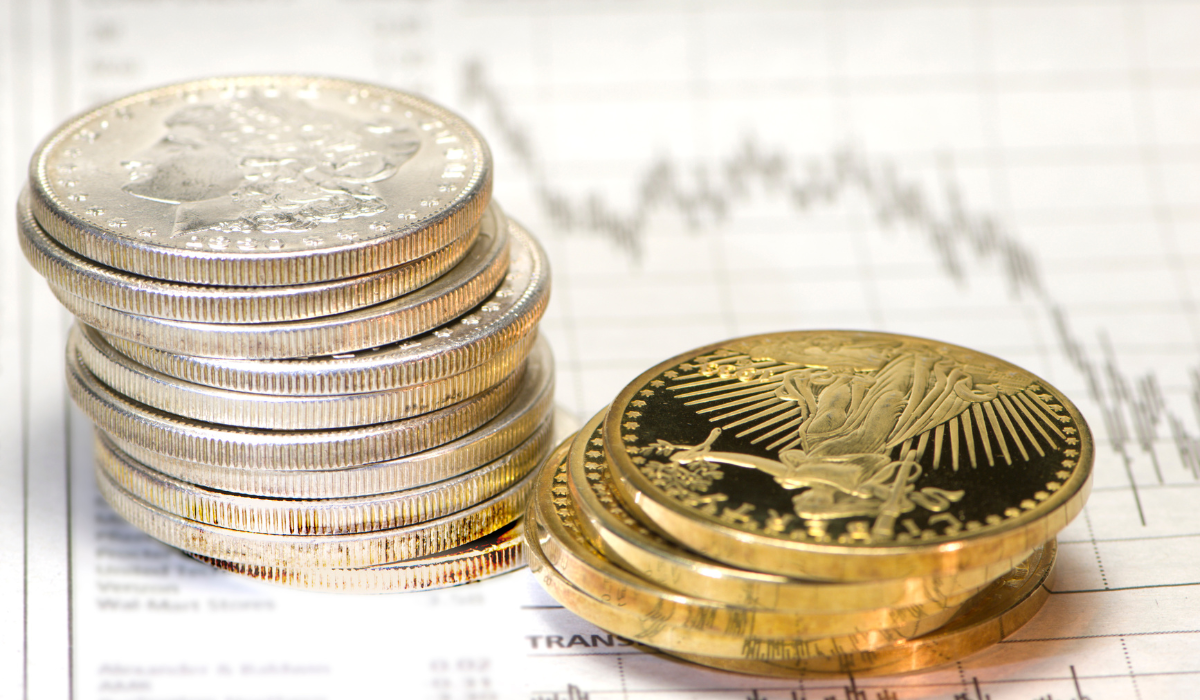
Bullion—bars, coins, and ingots made from pure metal—is commonly traded among dealers, investors, and estate services.
Bullion buying and selling is heavily dependent on live precious metal market rates, which are updated minute by minute based on global trading activity.
The value is influenced by:
- Spot price (the current price for immediate delivery)
- Premiums (added costs from dealers)
- Minting or manufacturing
- Bar or coin rarity
For instance, even though two coins may contain the same amount of gold, a limited-edition coin from a government mint may carry a significantly higher premium than a standard bullion coin.
Market Rates and Purity Testing
Accurate valuation also requires determining purity and weight.
Advanced testing methods ensure fair trading in transactions and estate sales.
Common Metal Testing Methods
- XRF (X-ray fluorescence) – measures composition without damaging the item
- Acid testing – traditional method for determining purity
- Spectrometry – provides precise chemical analysis
- Electronic testing – used for jewelry and small items
Purity levels help set exact pricing.
For example, a 24-karat gold piece commands a higher price than a 14-karat one because 24K gold contains nearly 100% pure gold.
Industrial Demand and Precious Metal Value
Beyond investment, industrial use plays a massive role in determining long-term value.
Silver and platinum are particularly affected.
Metal
Key Uses
Market Effect
Silver
Electronics, solar panels, batteries
High demand increases volatility
Platinum
Automotive catalytic converters
Prices react to industry changes
Palladium
Electronics, medicine, aerospace
Scarcity pushes prices upward
Because industries rely on these metals, shifts in manufacturing, technology, or automotive production have major impacts on their prices and availability.
How Estate Sales Affect the Precious Metal Market
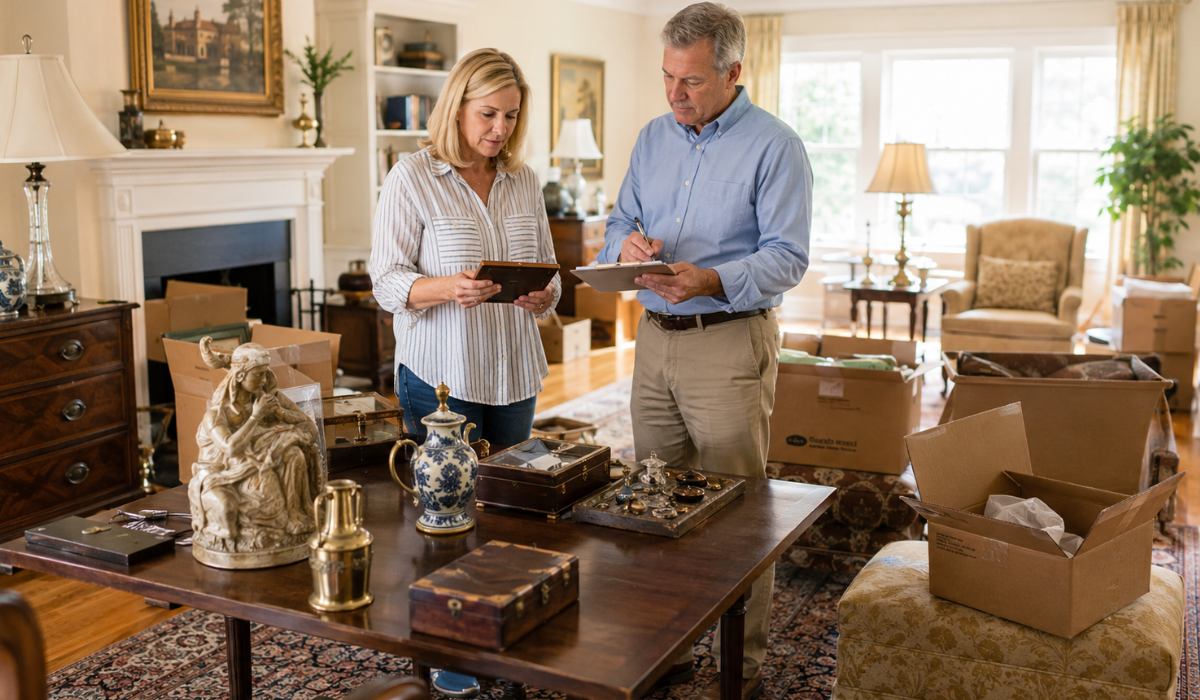
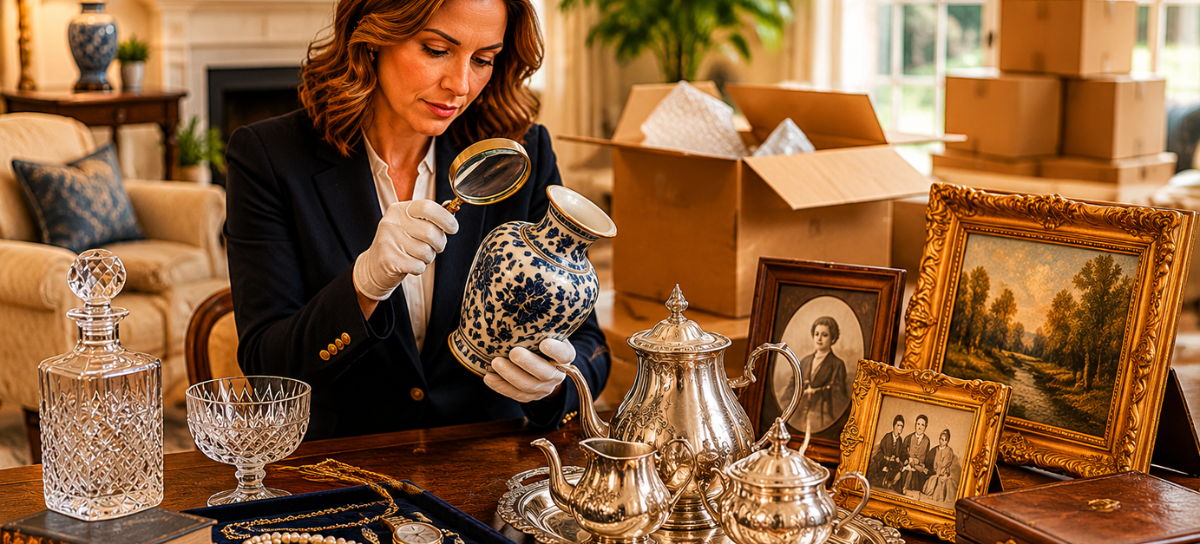
In estate sales, precious metals appear in various forms: jewelry, collectible coins, bullion, antique cutlery, and heirloom accessories.
Evaluating these assets requires more than understanding weight and purity. It also involves:
- Market timing
- Collectible value
- Historical significance
- Condition and craftsmanship
- Current demand in the Precious Metals Exchange
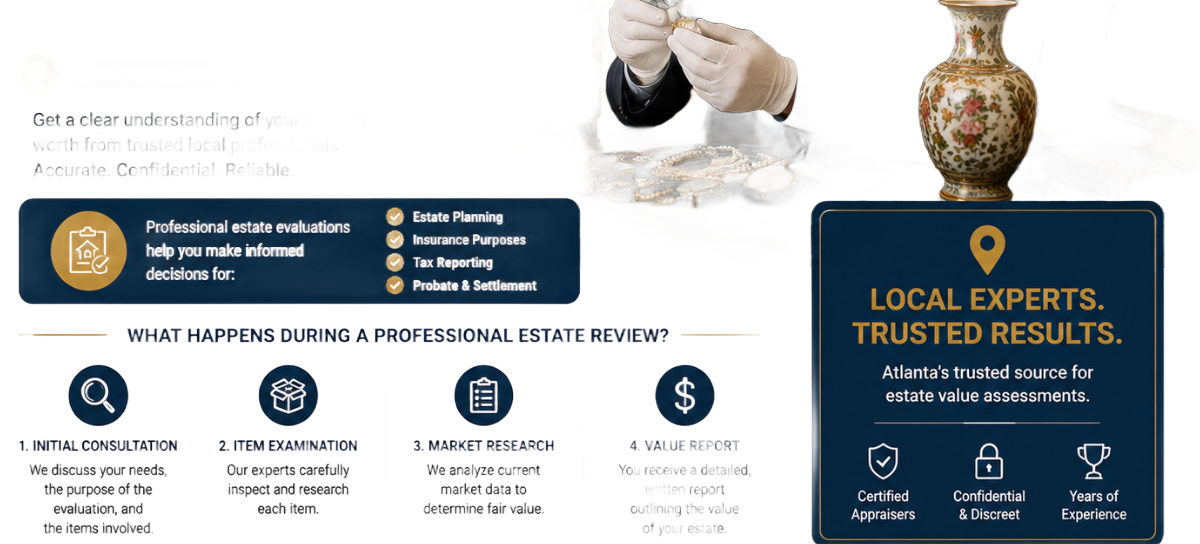
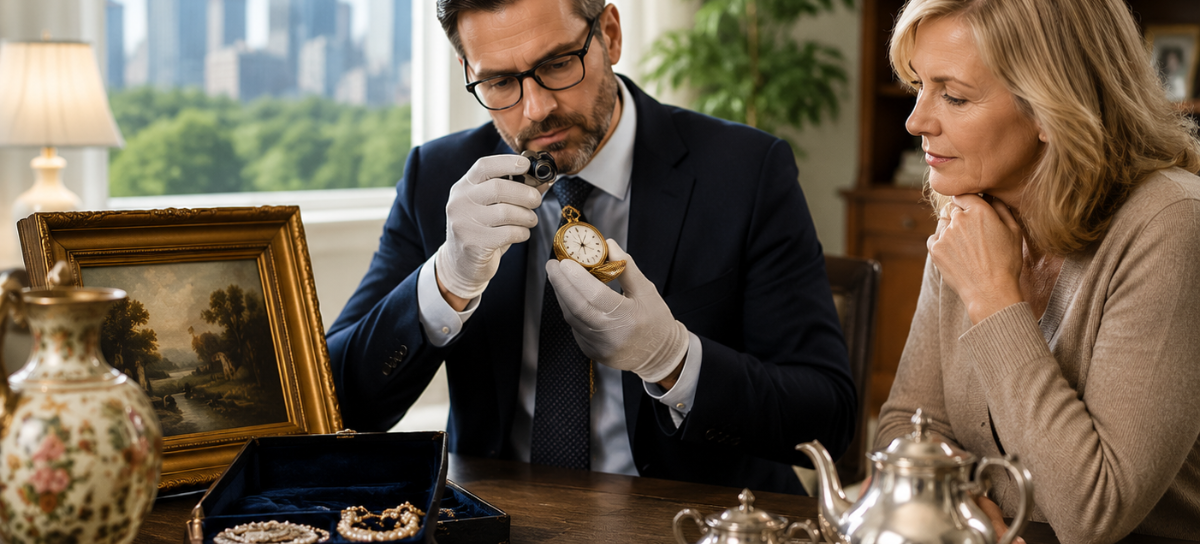
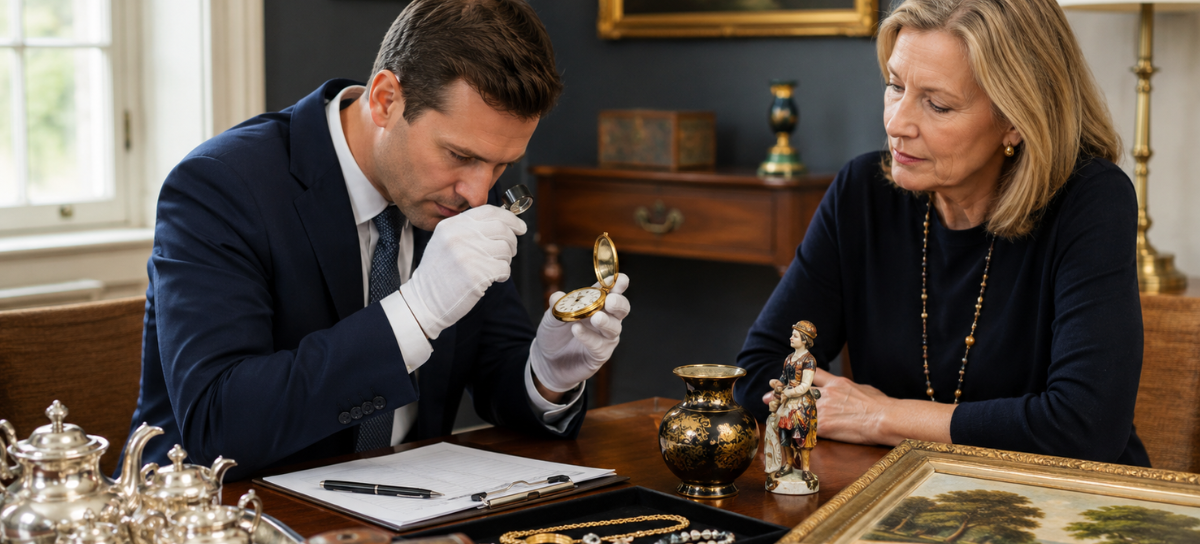
Professionally run estate sales often incorporate expert appraisal to ensure that these metals are priced according to live market data rather than subjective estimates.
Why Professional Evaluation Matters
A trained appraiser ensures fair returns by:
✔ Using real-time precious metal market rates
✔ Applying proper testing methods
✔ Accounting for craftsmanship and rarity
✔ Understanding investor and buyer demand
✔ Offering secure and trustworthy transactions
This is particularly important in estate transitions, where families rely on accurate valuations to protect their financial assets.
The Perfect Piece Atlanta: Trusted Expertise in Valuations
When it comes to selling precious metals through estate services, experience matters.
The Perfect Piece Atlanta brings professional knowledge and trust to every sale.
With a mission to provide smooth, stress-free transitions and a reputation ranked among the top nationally, clients receive exceptional guidance and fair asset evaluations, including expert handling of precious metals.
Fully insured through Auto-Owners Insurance and consistently awarded for excellence—including 10 consecutive years as Best of Gwinnett—The Perfect Piece ensures that valuables like gold, silver, and bullion are handled with transparency and care.
Whether you are liquidating an estate, preparing for a sale, or interested in
bullion buying and selling, working with knowledgeable professionals helps you get maximum value for your assets.
Conclusion
As global markets evolve, the value of precious metals continues to adapt.
Investors, estate sellers, and collectors benefit most when they understand the key elements influencing valuation:
- Economic conditions
- Industrial demand
- Market rates and purities
- Collectible value and rarity
- Trusted appraisal services
From live market fluctuations to professional-grade testing and estate expertise, today’s precious metal valuation is a blend of science, economics, and historical insight.
Whether you are trading bullion, selling inherited jewelry, or seeking guidance through a Precious Metals Exchange, partnering with knowledgeable professionals ensures clarity, fairness, and financial peace of mind.
When working with an experienced estate service like The Perfect Piece Atlanta, you can rest assured that your valuable metals are evaluated accurately, sold securely, and handled with the highest level of integrity—helping to preserve your wealth as you transition into life’s next chapter.
FAQs
What determines the value of precious metals in today’s market?
Precious metals are valued based on purity, weight, demand, rarity, global economic trends, and live precious metal market rates. Metals like gold and silver are also influenced by industrial demand and investor confidence during economic instability.
What is the difference between spot price and selling price?
The spot price represents the current market price of a precious metal for immediate purchase or sale. However, the selling price often includes premiums or additional costs due to minting, dealer fees, and the rarity of the coin or bar—especially in the bullion buying and selling market.
How does a Precious Metals Exchange work?
A Precious Metals Exchange is where buyers, investors, dealers, and brokers trade precious metals like gold, silver, platinum, and palladium. Prices fluctuate throughout the day based on global supply and demand, market speculation, and economic indicators.
Why do precious metal prices increase during inflation?
During inflation, the value of currency decreases, causing investors to shift toward safer physical assets such as gold or silver. This increased demand results in higher precious metal market rates, protecting wealth when paper money loses purchasing power.
Are jewelry and bullion valued the same way?
No. Bullion is valued mainly by purity and weight, based on the spot price. Jewelry valuation includes additional factors such as craftsmanship, brand, gemstone additions, and historical or collectible value. This is why expert appraisal is recommended for estate items.
How are precious metals tested for authenticity?
Valuation experts typically use several methods, including:
- XRF (X-ray fluorescence)
- Electronic testers
- Acid testing
- Spectrometry
- These tests help determine purity and authenticity before buying or selling through a Precious Metals Exchange or estate sale.
Can an estate sale company help me sell precious metals?
Yes. Experienced companies like The Perfect Piece Atlanta offer appraisal, valuation, and secure selling assistance for jewelry, coins, bullion, and other valuable metal items. Their expertise ensures you receive the best market value with current precious metal market rates.
Why do silver and platinum prices fluctuate more than gold?
Silver and platinum are heavily used in industrial applications such as electronics, automotive components, and solar products. This makes their prices more sensitive to manufacturing trends, supply issues, and technological advances compared to gold.
Are rare coins more valuable than standard bullion?
Often yes. Collectible coins may carry premiums due to rarity, historical value, condition, and minting. They can be worth more than their metal content alone, making expert evaluation important during bullion buying and selling or estate liquidation.
How often should I check precious metal market rates before selling?
Since prices fluctuate daily, it’s best to check live market charts frequently if you plan to sell soon. An estate service with valuation professionals can help monitor rates and recommend the best time to sell for maximum profit.
Do global political events affect precious metal prices?
Yes. Precious metals are often viewed as safe-haven assets during political instability. Events such as international conflicts, trade restrictions, or government policy changes can influence investor behavior, causing fluctuations in precious metal market rates.
Is it better to sell precious metals during an estate sale or directly to a Precious Metals Exchange?
It depends on the item. If you have bullion or standard bars and coins, selling through a Precious Metals Exchange may provide straightforward pricing. However, items like antique jewelry, rare coins, or designer pieces often sell for higher value at a professionally managed estate sale where craftsmanship, collectibility, and buyer demand can increase the final sale price.