Metal Exchange Services have become a foundational part of today’s precious metals market, shaping how individuals, businesses, and investors trade, value, and protect high-value metals.
As interest in gold, silver, and other precious metals continues to rise, informal buying and selling methods increasingly expose participants to unnecessary financial and legal risk.
Structured exchanges exist to bring order, transparency, and accountability to a market that would otherwise rely on fragmented pricing and unverified transactions.
This article explains why metal exchanges matter, how they function, and why professional exchange environments are now essential for anyone serious about precious metals.
Understanding What Metal Exchange Services Actually Do
Metal Exchange Services provide a structured environment where metals are evaluated, priced, and traded using standardized processes.
compared to informal private transactions, exchanges operate with consistent valuation methods, clear documentation, and defined procedures that protect both buyers and sellers.
At their core, exchanges exist to eliminate uncertainty.
They establish reliable pricing benchmarks, ensure authenticity, and create liquidity so metals can move efficiently through the market.
This structure is especially important when dealing with assets whose value depends on purity, weight, and market demand rather than fixed retail pricing.
For readers seeking a deeper explanation of how professional exchanges operate, this overview of a
precious metals exchange explains the role exchanges play in modern markets:
How Precious Metals Trading Functions Within an Exchange
Precious metals trading inside an exchange environment follows a disciplined process.
Metals are assessed, authenticated, and priced using current market indicators rather than subjective negotiation.
This approach protects participants from volatility caused by misinformation or emotional pricing.
Exchanges also create balance. Buyers gain confidence knowing assets meet recognized standards, while sellers benefit from transparent pricing that reflects real demand.
Without this structure, trades often rely on incomplete data, increasing the risk of undervaluation or disputes.
Unlike informal markets, exchange-based trading supports repeatability.
Assets traded through an exchange retain credibility, making them easier to sell, insure, or transfer later.
The Role of Gold and Silver Exchange in Market Stability
Gold and silver remain the most actively traded precious metals, making the
gold and silver exchange one of the most critical components of the metals market.
Their value is influenced by global economic conditions, investor sentiment, and supply dynamics, all of which can fluctuate rapidly.
Exchanges stabilize this activity by ensuring consistent purity verification and weight accuracy.
This prevents misrepresentation and protects long-term value.
Structured exchanges also create liquidity, allowing gold and silver to move quickly when market conditions change.
For individuals looking to sell, structured environments often offer a clearer path to cash value.
This guide on finding the
best place to sell gold and jewelry provides helpful context for sellers navigating the market:
Why It’s Risky to Buy and Sell Precious Metals Without an Exchange
Choosing to
buy and sell precious metals outside an exchange exposes participants to several risks.
Pricing inconsistencies are common in private transactions, where values may not reflect real market demand.
Counterfeit or misgraded metals also present a serious concern, particularly without professional testing.
Documentation is another major issue. Metals purchased informally often lack records that support resale, insurance, or estate planning.
This lack of traceability has the potential to drastically lower value and liquidity over time.
Metal Exchange Services address these challenges by applying standardized verification, consistent pricing, and proper transaction records.
This structure protects both immediate transactions and future outcomes.
Why a Certified Metal Exchange Matters More Than Ever
A
certified metal exchange follows recognized standards for testing, authentication, and documentation.
Certification signals accountability and adherence to best practices, which is especially important in a market where trust directly affects value.
Certified exchanges maintain transaction records that support compliance, resale, and long-term ownership.
They also reduce the risk of disputes by ensuring all parties operate under clear, documented terms.
This emphasis on security and transparency is explored further in this service-focused overview of
certified exchange practices.
The Rise of Luxury Metal Investment Services
High-value investors increasingly rely on
luxury metal investment services to manage refined metals, collectible assets, and long-term holdings.
These services go beyond basic buying and selling, focusing instead on preservation, documentation, and strategic planning.
Luxury investors value discretion, accuracy, and credibility.
Exchanges provide the infrastructure needed to support these priorities, ensuring assets retain legitimacy over time.
Without an exchange framework, even high-value metals can face liquidity challenges later.
How Metal Exchange Services Support Long-Term Investment Strategies
Metal Exchange Services play a strategic role in long-term investment planning by providing structure, transparency, and continuity across changing market conditions.
Unlike informal transactions, exchange-based activity supports disciplined investment decisions over time rather than short-term speculation.
Supporting Portfolio Stability Across Market Cycles
Precious and base metals are commonly used to balance portfolios during inflationary periods, currency fluctuations, and economic uncertainty.
Exchange-based valuation allows investors to monitor performance consistently across market cycles rather than relying on speculative or inconsistent pricing.
Improving Valuation Accuracy and Performance Tracking
Accurate valuation is essential for long-term planning.
Metal exchanges preserve transaction records and verified pricing, allowing investors to track performance, compare historical value, and make informed adjustments as market conditions evolve.
Enhancing Liquidity and Strategic Flexibility
Metals traded through exchanges are easier to insure, transfer, or liquidate when strategic changes are needed. This flexibility is especially valuable during:
- Portfolio rebalancing
- Market downturns
- Capital reallocation decisions
Supporting Estate Planning and Long-Term Asset Management
Exchange documentation provides clarity years after the original transaction, which is critical for estate planning and intergenerational asset transfers.
Verified records reduce uncertainty around authenticity, valuation, and ownership, making long-term asset management more efficient.
Who Should Use Metal Exchange Services?
Metal Exchange Services benefit a wide range of participants, including individual investors, collectors, businesses, and families planning asset transitions.
Anyone seeking transparency, accurate pricing, and reduced risk can benefit from a structured exchange environment.
Exchanges are particularly valuable for those handling high-value metals, repeated transactions, or assets intended for long-term holding.
Even smaller transactions gain credibility when processed through an exchange.
Conclusion
Metal Exchange Services have become essential because today’s precious metals market demands structure, verification, and transparency.
Informal transactions no longer provide adequate protection in a market shaped by volatility, regulation, and long-term investment planning.
By supporting accurate valuation, secure trading, and proper documentation, exchanges protect both immediate transactions and future value.
For anyone serious about precious metals, professional exchange services are no longer optional, but they are foundational.
Ready to Use Metal Exchange Services with Confidence?
If you are planning to buy, sell, or manage precious metals and want transparency, accuracy, and long-term value protection, working with a trusted exchange can be beneficial.
At
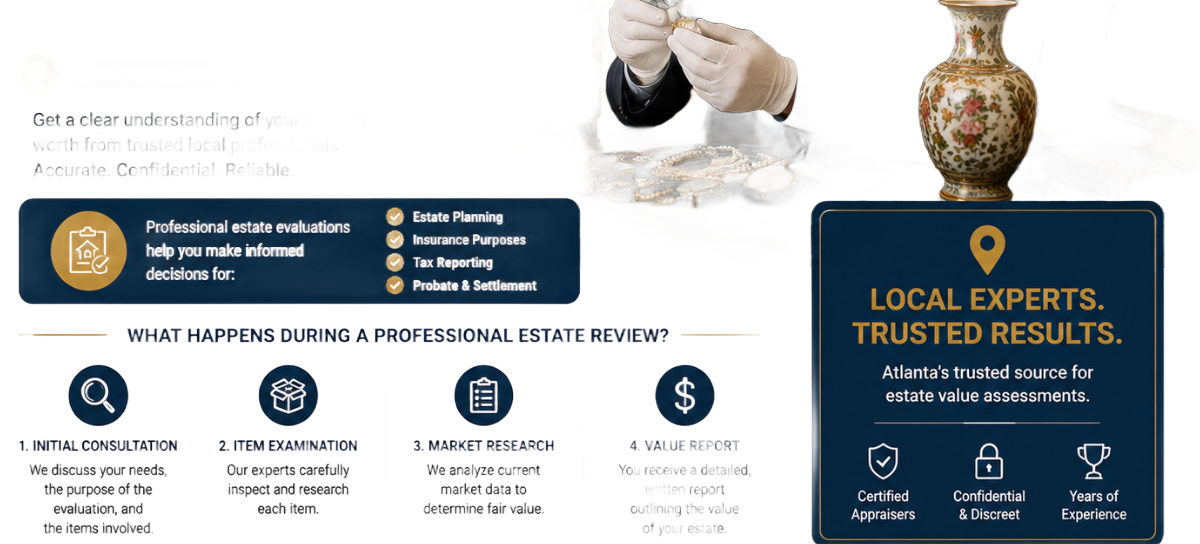
The Perfect Piece Atlanta, we provide secure, transparent, and strategic metal exchange solutions designed to support informed decisions and protect long-term value.
Our professional metal exchange services help ensure your assets are properly valued, documented, and positioned for both current market conditions and future needs.
Contact our team to discuss your goals and learn how professional exchange services can support your investment strategy with clarity and confidence.
Frequently Asked Questions
What are Metal Exchange Services and why do they matter today?
Metal Exchange Services provide a structured environment for valuing and trading metals using transparent pricing and verified processes. They reduce risk by ensuring authenticity, fair valuation, and proper documentation. In today’s market, this structure protects participants from misinformation and inconsistent pricing. It also supports long-term resale and asset management.
How does Precious Metals Trading differ inside an exchange?
Precious metals trading within an exchange follows standardized verification and pricing methods. This reduces volatility caused by speculation or incomplete information. Exchanges also create accountability through records and documentation. As a result, trades are more defensible and reliable.
Why is a gold and silver exchange safer than private transactions?
A gold and silver exchange verifies purity, weight, and authenticity before transactions occur. This eliminates uncertainty common in private sales. Exchanges also provide documentation that supports future resale or valuation. These safeguards make exchanges a safer option.
What does it mean to buy and sell precious metals through an exchange?
To buy and sell precious metals through an exchange means transactions are supported by testing, standardized pricing, and formal records. This reduces disputes and ensures assets meet recognized standards. Exchange-based transactions also maintain liquidity over time. This is especially important for investors.
Why should investors choose a certified metal exchange?
A certified metal exchange follows established standards for authentication, compliance, and recordkeeping. Certification adds credibility to transactions and protects against counterfeit or misrepresented assets. Over time, this credibility supports stronger resale value. It also simplifies compliance and planning.
How do luxury metal investment services use exchanges differently?
Luxury metal investment services rely on exchanges to support discretion, valuation accuracy, and long-term planning. High-value assets require documentation and verification to preserve legitimacy. Exchanges provide the structure needed to manage these assets responsibly. This approach supports both investment performance and legacy goals.
Are Metal Exchange Services only for large investors?
Metal Exchange Services are useful for investors of all sizes. Individuals, collectors, and businesses all benefit from transparency and standardized pricing. Exchanges scale to different transaction levels while maintaining consistent standards. This makes them accessible and practical.
How do exchanges help protect long-term metal investments?
Exchanges provide documentation, verified valuation, and liquidity that support long-term ownership. These factors make metals easier to insure, manage, and resell. Without exchange records, long-term holdings can lose credibility. Structured exchanges help preserve value over time.