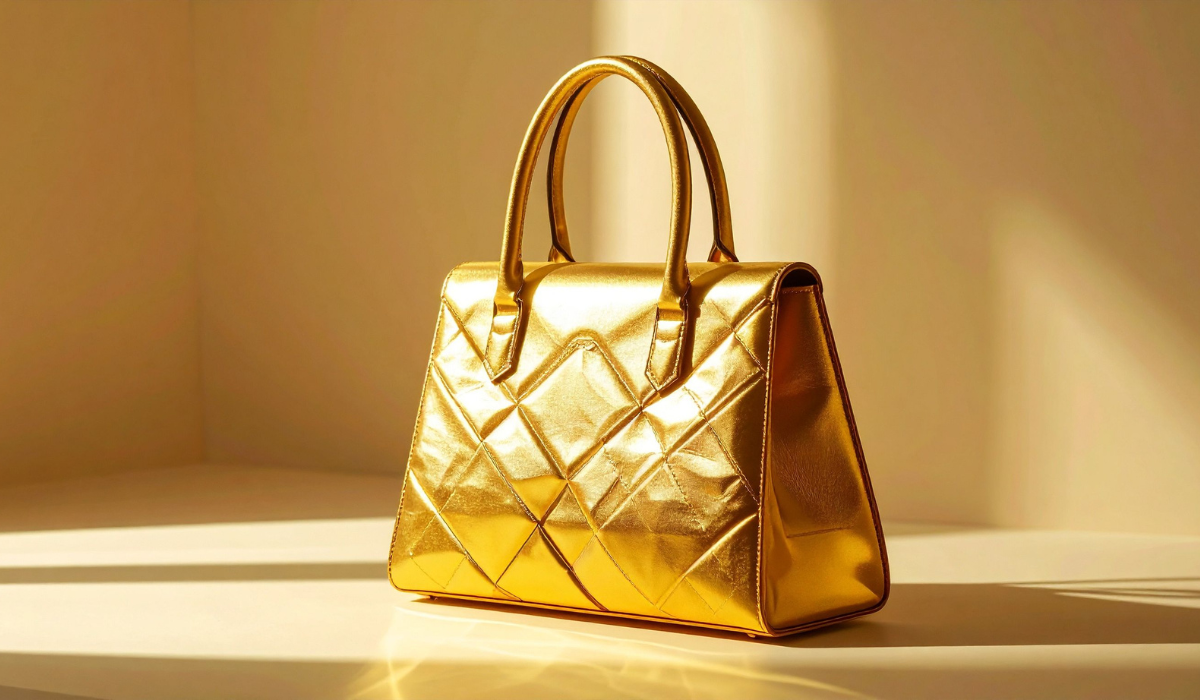
The pre-owned luxury handbag market has grown rapidly over the past decade.
Buyers are increasingly turning to second-hand designer bags to access iconic styles at more approachable prices, while sellers view luxury handbags as valuable assets that can be resold or traded.
However, this growing demand has also led to a rise in sophisticated counterfeits that are often difficult to spot at a glance.
Luxury handbag authentication is essential.
Whether you are purchasing a pre-owned designer bag, selling one, or managing an estate collection, verifying authenticity protects your financial investment. It also ensures long-term resale value.
If you’re wondering how to verify designer bag authenticity, this luxury bag authentication guide walks you through a practical checklist you can use before you buy or sell.
Why Luxury Handbag Authentication Matters
Authentication is especially important during
estate liquidation, where accurate valuation and documentation protect both sellers and buyers.
Authenticating a pre-owned designer bag is about more than avoiding a fake. It directly impacts:
- Resale value: Authenticated bags sell faster and command higher prices.
- Buyer confidence: Documentation builds trust with collectors and resale platforms.
- Insurance and estate planning: Verified designer handbags are also easier to include in
estate valuation and appraisal documentation for insurance and inheritance planning.
- Long-term investment protection: Authentic pieces retain value over time.
For sellers,
resale value and authentication go hand in hand because verified items create buyer confidence and support stronger pricing.
With counterfeit handbags becoming increasingly convincing, authentication ensures clarity years after the original purchase, which is especially important when bags are inherited, resold, or included in a luxury portfolio.
Understanding Counterfeit vs. Authentic Designer Handbags
This section breaks down the difference between an
authentic vs fake designer bag so you can spot quality gaps that counterfeits often hide.
A counterfeit handbag is designed to imitate an authentic luxury bag but fails to meet the brand’s materials, craftsmanship, and production standards.
Some fakes are obvious, while others are nearly indistinguishable without close inspection.
Authentic luxury handbags are defined by:
- Precision craftsmanship
- High-quality materials
- Consistent branding standards
- Traceable production details
Counterfeit bags often mimic the appearance but fall short in durability, finishing, and internal construction.
Step-by-Step Luxury Handbag Authentication Checklist
Research the Specific Model
Before inspecting the bag itself, research the exact model:
- Year of production
- Original retail price
- Available colors and materials
- Size variations
Brand websites, reputable resale platforms, and collector guides are excellent reference points. Authentic details rarely vary outside documented releases.
Inspect the Materials Closely
Luxury brands use premium materials that feel distinct.
What to look for:
- Leather that feels supple, not stiff or plasticky
- Canvas with consistent texture and thickness
- Even coloration with no blotching or fading
Genuine leather ages gracefully, while fake leather often cracks or peels over time.
Examine Stitching and Construction
Stitching is one of the most reliable indicators of authenticity.
Authentic handbags typically have:
- Tight, even stitches
- Straight stitch lines
- No loose threads or uneven spacing
Luxury brands maintain strict quality control, so sloppy stitching is a major red flag.
Check Logos and Branding Details
Logos should be crisp, symmetrical, and properly spaced. You must look for:
- Correct font and letter spacing
- Even embossing or printing
- Consistent placement
Small deviations—such as uneven lettering or incorrect logo proportions—often indicate counterfeit production.
Evaluate Hardware and Zippers
Hardware on authentic bags feels solid and substantial. You must check for:
- Weight and balance
- Smooth zipper movement
- Clean engravings
- Consistent metal finish
Luxury brands often use premium zipper manufacturers, and hardware rarely feels lightweight or flimsy.
Locate and Verify Serial Numbers or Date Codes
Most luxury handbags include a serial number, date code, or hologram.
Important considerations:
- Placement varies by brand and model
- Formatting follows specific rules
- Numbers should match production timelines
Incorrect fonts, odd spacing, or impossible production dates are common counterfeit giveaways.
Assess the Interior and Lining
The inside of the bag is just as important as the exterior. Authentic interiors feature:
- High-quality lining materials
- Clean seams
- Proper brand stamps
Counterfeit bags often focus on the exterior and cut corners internally.
Review Accessories and Packaging
Dust bags, authenticity cards, and boxes can support authentication—but they should never be the sole proof. You must check:
- Fabric quality of dust bags
- Logo accuracy on packaging
- Correct color and material combinations
Many counterfeiters include fake cards, so documentation must match the bag itself.
These quick checks also highlight common
signs of fake designer bags, especially when multiple details don’t align with the brand’s production standards.
Use the Smell Test
While subtle, scent can be telling. Authentic bags typically smell like:
- Natural leather
- High-quality materials
Chemical or plastic odors often indicate synthetic materials used in counterfeits.
Common Authentication Mistakes and When Professional Verification Matters
Common Mistakes Buyers Make When Authenticating Luxury Handbags
Even experienced buyers can overlook important details when evaluating pre-owned designer handbags, especially as modern counterfeits become increasingly sophisticated.
One of the most common mistakes is relying solely on authenticity cards or packaging, which can be easily replicated.
Buyers also tend to focus heavily on exterior appearance while overlooking interior construction, stitching consistency, lining quality, and hardware details areas where counterfeit production often falls short.
Another frequent misconception is assuming that visible wear automatically means a bag is fake or authentic, when wear patterns must always be evaluated in context.
Why Professional Authentication Services Are Often Necessary
]Because authentication standards vary significantly by brand and production era, professional authentication services are often the safest option for high-value, rare, or vintage handbags, as well as for online purchases where hands-on inspection isn’t possible.
Experts can verify brand-specific serial formats, materials, and construction rules that change across collections and years.
Professional authentication is also strongly recommended when preparing a handbag for resale, estate liquidation, or insurance documentation, where authenticity directly impacts pricing, credibility, and buyer confidence.
Brand-Specific Authentication Considerations for Chanel, Louis Vuitton, and Gucci
Many buyers specifically search for ways to
authenticate Chanel/Louis Vuitton/Gucci bags, since each brand uses different serial formats, stamps, materials, and construction standards.
Understanding how to authenticate Chanel, Louis Vuitton, and Gucci bags requires brand-specific knowledge.
Chanel authentication often involves verifying serial or hologram formats by era, examining quilting alignment, and checking hardware consistency.
Louis Vuitton authentication commonly focuses on date codes, factory indicators, canvas alignment, and stitching across handles and trim.
Gucci authentication may require careful review of heat stamps, serial number formatting, lining quality, and engraved hardware details, especially for vintage or seasonal pieces.
Quick Red Flags to Watch for Before You Buy
When evaluating authenticity, it’s important to look for patterns rather than isolated flaws.
Uneven logo spacing, lightweight hardware, sloppy stitching, incorrect serial formatting, and low-quality lining rarely occur together on authentic bags.
While a single issue may be explainable due to age or repair, multiple inconsistencies usually signal a counterfeit.
When uncertainty remains, pausing the purchase and seeking professional authentication is the safest path forward.
These practical steps serve as reliable
luxury handbag authentication tips that help you avoid costly mistakes before you commit to a purchase.
Final Thoughts
Luxury handbags are more than fashion accessories; they are valuable assets.
As the pre-owned market continues to grow,
luxury handbag authentication remains the most reliable way to protect your investment, maintain resale value, and ensure peace of mind.
Whether you are purchasing your first pre-owned designer bag, selling a collection, or managing inherited luxury items, authentication provides clarity and confidence that lasts well beyond the transaction.
Protect the Value of Your Luxury Handbag
Luxury handbags are more than accessories. They are financial assets.
Whether you’re purchasing a pre-owned designer bag, preparing one for resale, or managing an inherited collection,
professional luxury handbag authentication ensures clarity, confidence, and long-term value.
👉
Schedule a professional authentication review today to verify authenticity, protect resale value, and gain documentation you can trust for years to come.
Frequently Asked Questions
Can a handbag be authenticated from photos alone?
Yes, a preliminary authentication can be done using clear, high-resolution photos that show key details like logos, stitching, serial numbers, and hardware. This method helps identify obvious red flags or inconsistencies. However, photos cannot reveal texture, weight, or material quality, so in-person inspection is more reliable for high-value bags.
Do authenticity cards guarantee a bag is real?
No, authenticity cards can be replicated and are often faked alongside counterfeit bags. They should never be used as standalone proof. The bag’s craftsmanship, materials, serial numbers, and construction details are far more reliable indicators of authenticity.
Are vintage designer bags harder to authenticate?
Yes, vintage bags can be more challenging because branding, materials, and serial formats have changed over time. Wear, repairs, or missing components may also complicate evaluation. Expert knowledge of historical production standards is often required for accurate authentication.
How long does professional authentication take?
Authentication timelines vary based on the method used and the bag’s complexity. Photo-based reviews may take a few hours to one business day, while in-person inspections can take several days. Rare or vintage pieces may require additional time for research.
Is authentication necessary if I trust the seller?
Yes, even trusted sellers can unknowingly pass on counterfeit items, especially in the resale market. Authentication provides objective verification and protects your investment. It also adds credibility for resale, insurance, and long-term documentation.
Can luxury handbag authentication increase resale value?
Yes, proper luxury handbag authentication directly improves resale value by establishing buyer trust and credibility. Authenticated bags sell faster on resale platforms and often command higher prices. Documentation also reduces disputes during resale negotiations.
What are the most common signs of fake designer bags?
Common signs of fake designer bags include uneven stitching, incorrect logo spacing, lightweight hardware, and low-quality interior linings. Chemical odors and poorly aligned serial numbers are also red flags. Even small inconsistencies can indicate counterfeit production.
Is professional luxury handbag authentication worth the cost?
Professional authentication services are especially valuable for high-end, rare, or vintage bags. Experts verify materials, serial codes, and construction details that are difficult to assess independently. The cost is often minimal compared to the financial risk of owning or reselling a counterfeit.
Should luxury handbags be authenticated for insurance or estate purposes?
Yes, authenticated luxury handbags are easier to insure, appraise, and include in estate planning. Verification ensures accurate valuation and prevents disputes among heirs or insurers. Authentication records provide clarity long after the original purchase.
Can repairs or wear affect luxury handbag authentication?
Wear does not automatically make a bag inauthentic, but repairs and heavy use can complicate authentication. Replaced hardware or altered stitching may require expert evaluation. Professional authenticators can distinguish legitimate aging from counterfeit construction.